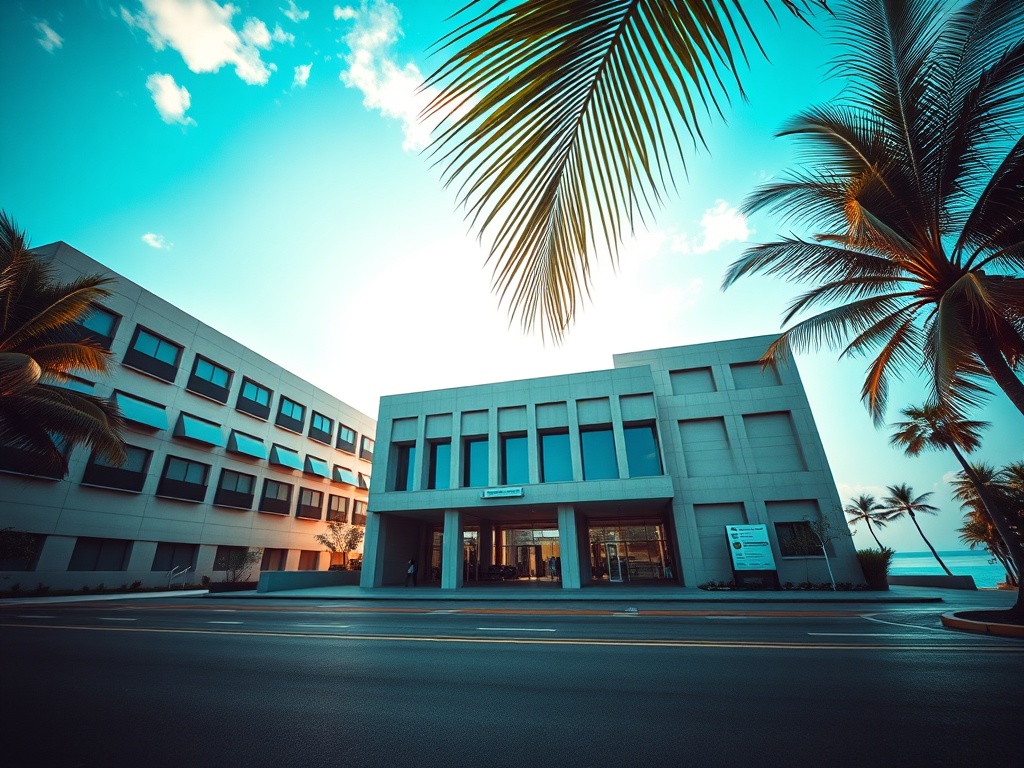
The Golden Opportunity of Government Rentals
The sign outside the building says 'Ministry of Fisheries, Marine Resources and Agriculture' in crisp white letters, but everyone knows the landlord is a prominent businessman with political connections. His building stands in Malé, where space is precious and government departments spill across privately owned towers. This arrangement has become so normal that we barely question it anymore.
Every administration comes in promising change, yet the same pattern repeats. The government pays premium rents to private property owners, many of whom are politically connected or major party donors. The contracts are rarely公开透明, and the amounts often exceed market rates. When questioned, officials cite the 'space crunch' in Malé, the 'urgent need' for offices, the 'lack of suitable government buildings.' The explanations sound reasonable until you notice how many ministers and MPs own the very buildings being rented.
I remember when the Anti-Corruption Commission investigated one such rental agreement. The building belonged to a cousin of a senior minister, and the rent was nearly double what similar spaces commanded. The investigation dragged on for months, then quietly disappeared. The minister in question later appeared at the opening of another government office in another privately owned building, smiling for cameras while shaking hands with the new landlord—another political ally.
What makes this system so resilient is how it benefits everyone in power, regardless of which party holds the presidency. The ruling party gets to reward its supporters with lucrative contracts. The opposition, when they were in power, did the same. It's a golden opportunity that transcends political colors—a continuous flow of public funds into private pockets, disguised as necessary government expenditure.
The real cost isn't just the millions of rufiyaa flowing from treasury to private accounts. It's the schools that could have been built, the hospitals that remain understaffed, the youth programs that never materialize. While politicians argue about India Out and foreign policy, this quiet redistribution of wealth continues unabated, hidden in plain sight within the budget lines for 'office rentals.'
We've normalized what should be outrageous. We accept that our government cannot house its own ministries, that public funds must regularly enrich private individuals with political connections. This normalization may be the most damaging corruption of all—the one that teaches us not to expect better, not to demand accountability, to accept that this is just how things work in the Maldives.
— Source fragments: Govt renting office spaces from private property owners, corrupt, bribery, misuse of public funds, every administration, Golden Opportunity
— Tone: serious