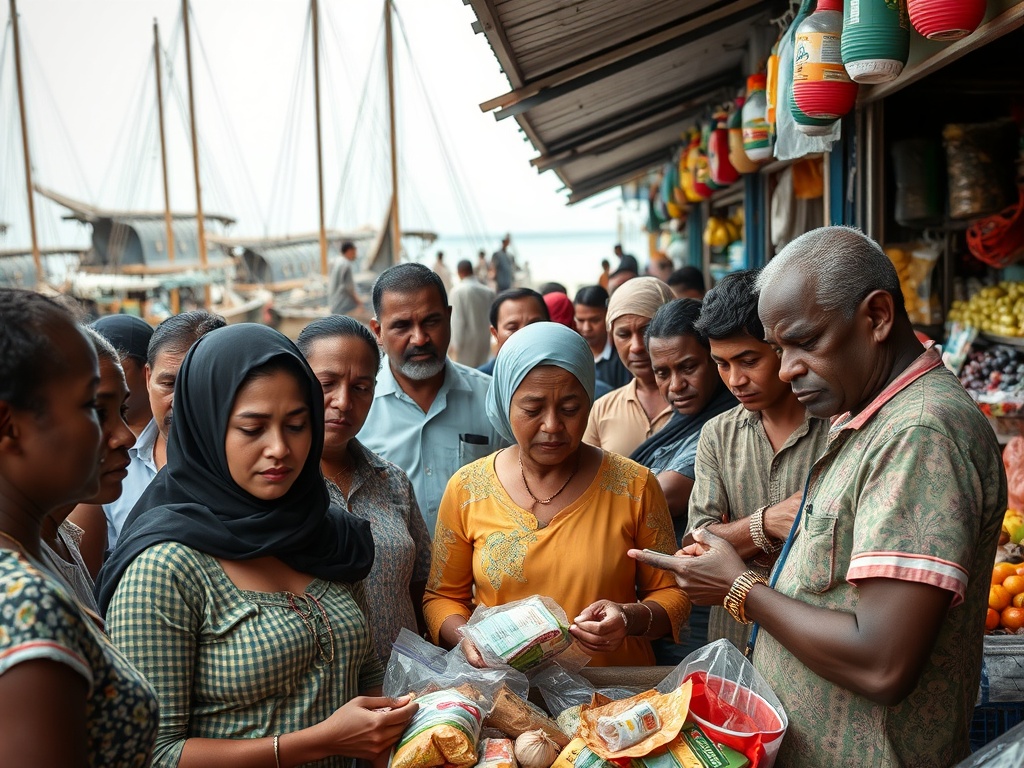
The government is failing to address the rising cost of living
Across the Maldivian atolls, from the bustling streets of Malé to the quiet shores of remote islands, a common concern is rising to the surface: the government is failing to address the rising cost of living. This sentiment echoes through local cafés, family gatherings, and social media platforms, reflecting a deepening anxiety about economic stability.
For many Maldivian families, the increasing prices of essential goods—from rice and flour to fuel and building materials—are stretching household budgets to their limits. The unique geographical challenges of the Maldives, where most consumables must be imported across vast ocean distances, amplify these cost pressures. When global shipping costs rise or supply chains falter, the impact is felt immediately in local markets.
The frustration isn't just about numbers on price tags; it's about the tangible erosion of purchasing power and quality of life. Fishermen note higher fuel costs cutting into their profits, while parents worry about affording school supplies and nutritious food for their children. In a nation where tourism revenue flows prominently, many question why this wealth isn't better distributed to cushion citizens from economic shocks.
This growing discontent represents more than temporary grumbling—it points to a fundamental concern about governance and priority-setting. When basic survival becomes increasingly difficult for ordinary citizens, trust in institutions naturally erodes. The failure to implement effective price controls, subsidies for essentials, or sustainable wage policies leaves many feeling abandoned by those in power.
As the gap between resort luxury and local struggle becomes more apparent, the call for meaningful action grows louder. The Maldivian people are watching, waiting for solutions that acknowledge their daily struggles and provide genuine relief from the economic pressures threatening their way of life.