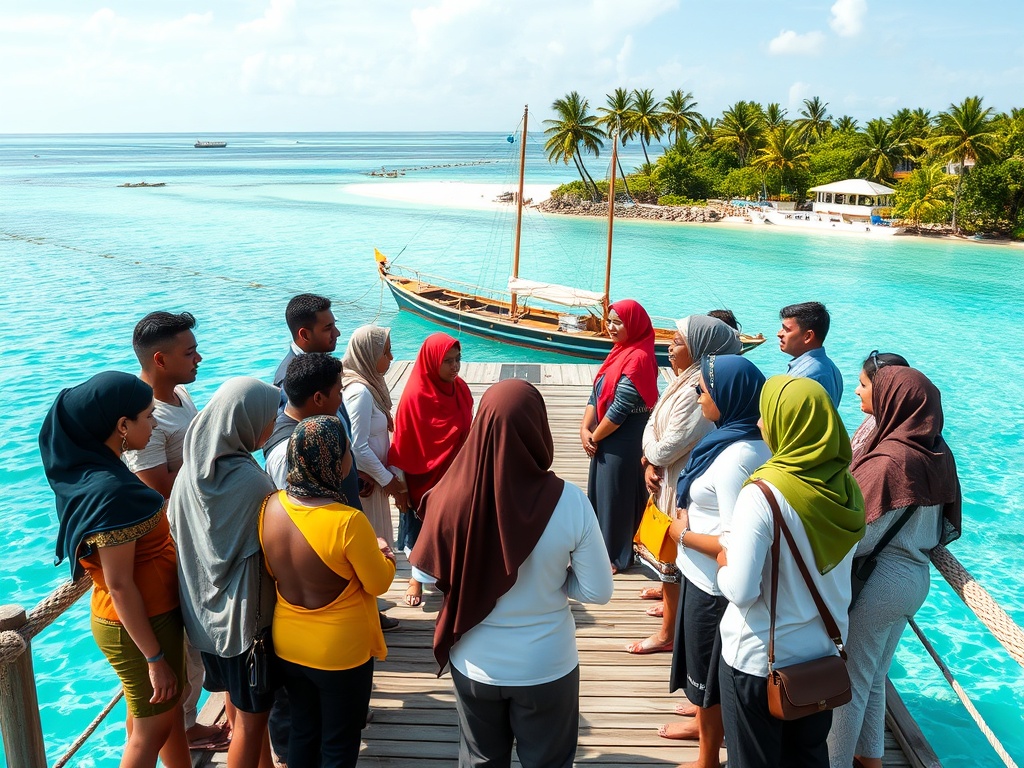
The government is not doing enough to protect our sovereignty
Across the atolls, a growing chorus of Maldivian voices is raising alarm about what they perceive as insufficient protection of our nation's sovereignty. The unique geography of our island nation, scattered across the Indian Ocean, has always required careful navigation of international relationships while preserving our distinct identity and self-determination.
Many citizens worry that economic dependencies and foreign policy alignments are creating vulnerabilities that could undermine our ability to make independent decisions. This concern resonates particularly strongly in communities where traditional livelihoods like fishing and tourism intersect with global economic pressures. The delicate balance between welcoming international partnerships and maintaining national autonomy has become a central point of discussion in tea shops and family gatherings from Malé to the outer atolls.
Our constitutional framework clearly establishes sovereignty as belonging to the Maldivian people, yet there's a palpable anxiety that this fundamental principle is being tested. The very character of our nation—with our unique language, customs, and Islamic heritage—feels increasingly subject to external influences that may not align with our national interests. This isn't merely about political posturing but about preserving the essence of what makes the Maldives distinct in the global community.
As we face complex regional dynamics and economic challenges, the question of how to assert our sovereignty while pursuing development has become urgent. The coral reefs that have protected our islands for centuries now serve as a metaphor for the protective barriers we must maintain around our national decision-making. Without clear, principled policies that prioritize Maldivian interests above all else, many fear we risk losing the very independence that defines us as a nation.