The government is not working for the people
Across the Maldives, from the bustling streets of Malé to the quiet atolls, a common refrain echoes among citizens: the government is not working for the people. This sentiment captures a profound disconnect between the administration and the populace it serves.
Many Maldivians feel that political maneuvering and partisan interests have taken precedence over addressing the daily challenges facing ordinary citizens. The promise of responsive governance that listens to and acts upon the needs of the community appears increasingly distant as people struggle with economic pressures and social concerns.
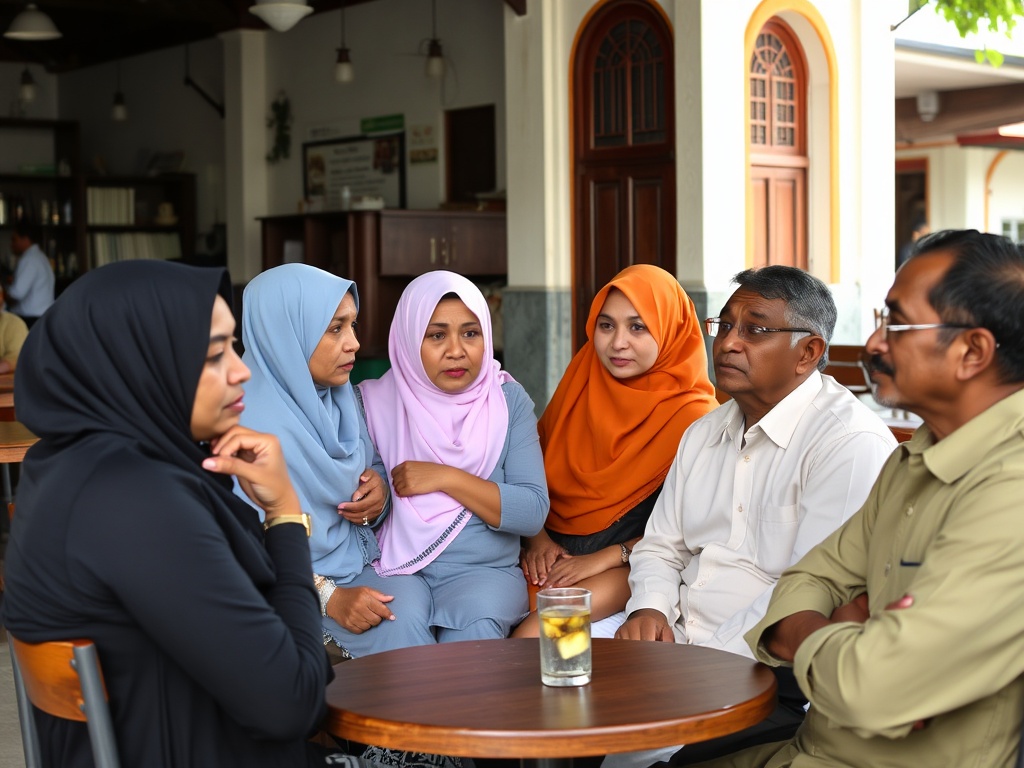
In local coffee shops and community gatherings, conversations frequently turn to the gap between political promises and lived realities. Fishermen, tourism workers, and small business owners alike express concerns that their voices are being overlooked in favor of political agendas that serve narrow interests rather than the broader public good.
The unique geography of our island nation, with its dispersed communities across numerous atolls, makes effective governance particularly challenging. When citizens feel their government is not working for them, the sense of isolation can deepen, especially for those in remote islands who depend on responsive public services and infrastructure development.
This growing perception threatens the social contract between the people and their leaders. As trust erodes, the foundation of our democratic system weakens, making it increasingly difficult to address the complex challenges facing our nation, from environmental threats to economic development.
The current mood reflects a call for greater accountability and transparency in how public resources are managed and decisions are made. Maldivians deserve a government that prioritizes their wellbeing and works tirelessly to improve living standards across all islands.