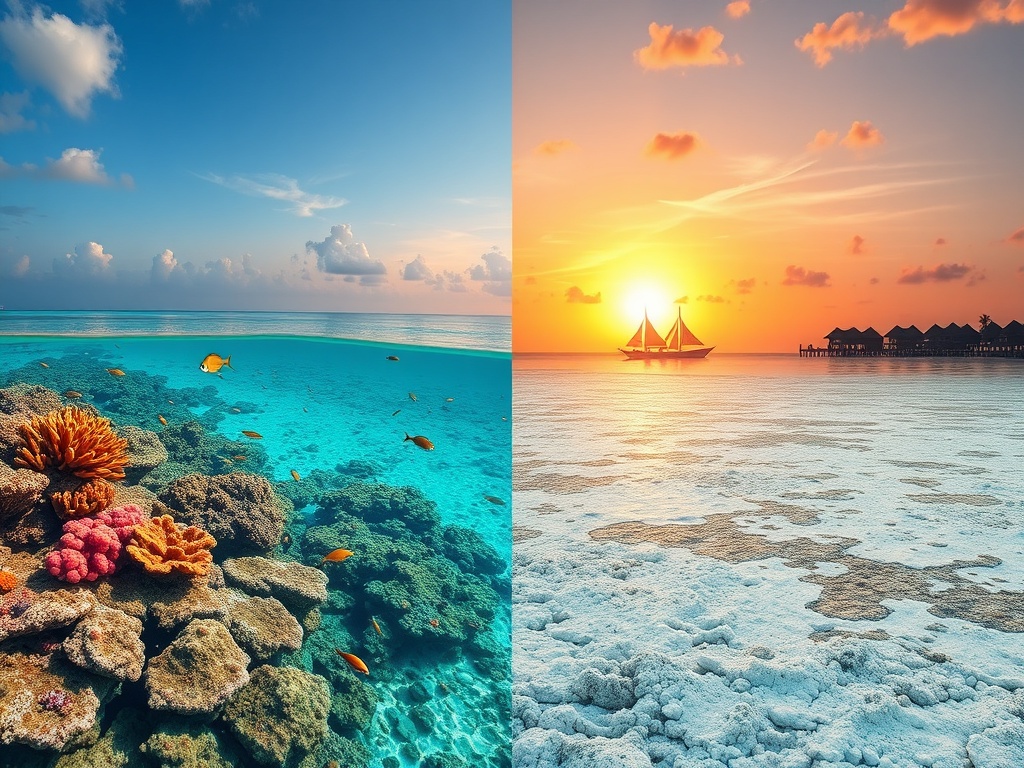
The government must prioritize environmental protection over tourism revenue
The call for environmental protection to take precedence over tourism revenue strikes at the heart of Maldives' existential dilemma. As a nation of low-lying atolls facing imminent threat from climate change, the tension between economic development and ecological preservation has never been more acute.
Tourism accounts for nearly 30% of the Maldives' GDP and has been the primary driver of economic growth since the 1970s. However, this economic success comes at significant environmental cost. The construction of resorts, increased waste generation, and damage to coral reefs from development and tourist activities have placed immense pressure on the country's delicate marine ecosystems.
Many citizens argue that the current development model is unsustainable. The very attractions that draw tourists—pristine beaches, vibrant coral reefs, and clear waters—are being degraded by the industry that depends on them. There's growing recognition that without immediate action to protect these natural assets, the Maldives risks losing both its environmental heritage and its primary economic engine.
The government faces the complex challenge of balancing immediate economic needs with long-term environmental security. While tourism revenue funds essential services and infrastructure, environmental degradation threatens the nation's very existence. Rising sea levels, coral bleaching events, and changing weather patterns make environmental protection not just an ecological concern but a matter of national survival.
This sentiment reflects a broader shift in public consciousness, where environmental stewardship is increasingly viewed as non-negotiable. The demand for prioritizing protection over profit represents a call for sustainable development that preserves the Maldives' natural beauty while ensuring economic stability for future generations.