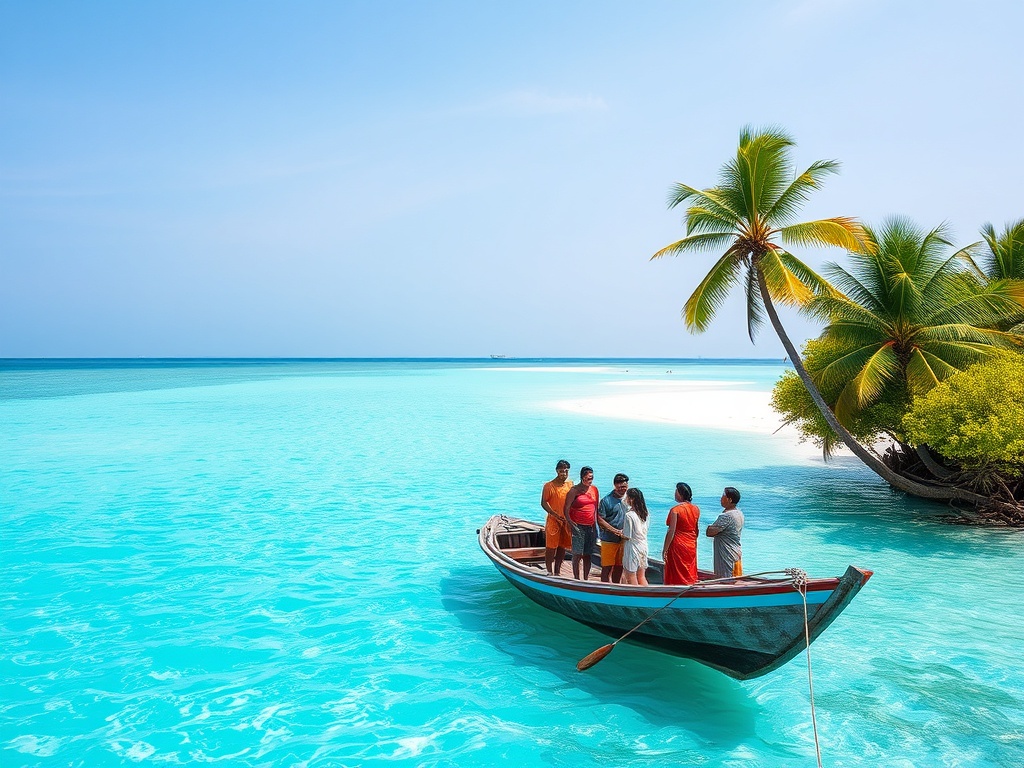
The government must prioritize sustainable tourism and environmental protection.
The Maldives, an archipelago nation famed for its pristine beaches and vibrant marine life, faces a critical juncture where economic aspirations meet ecological vulnerability. With tourism as the backbone of its economy, the pressure to develop resorts and infrastructure is immense. However, this development often comes at a cost to the very environment that attracts visitors—coral reefs, lagoons, and coastal ecosystems.
Calls for sustainable tourism emphasize practices that minimize environmental impact, such as waste management, renewable energy use, and protection of marine biodiversity. In a country where rising sea levels threaten existence, prioritizing green policies isn't just idealistic—it's essential for long-term survival. Many Maldivians, especially youth and local communities, are advocating for stricter regulations on construction, plastic pollution, and overfishing to preserve their natural heritage.
Balancing economic growth with environmental protection requires innovative approaches, like eco-friendly resorts and community-based tourism, which can create jobs while safeguarding resources. The government's role is pivotal in enforcing laws, investing in green technology, and promoting awareness. By aligning tourism with sustainability, the Maldives can secure both its economy and its identity for future generations.