The Hidden Wealth of Huvadhu Atoll
The message about Huvadhu Atoll lingers in my mind like the scent of salt on the evening breeze. 'If only we know our natural resources'—those words carry the weight of generations who have watched their islands' potential remain just beyond reach, like fish shimmering in deep water.
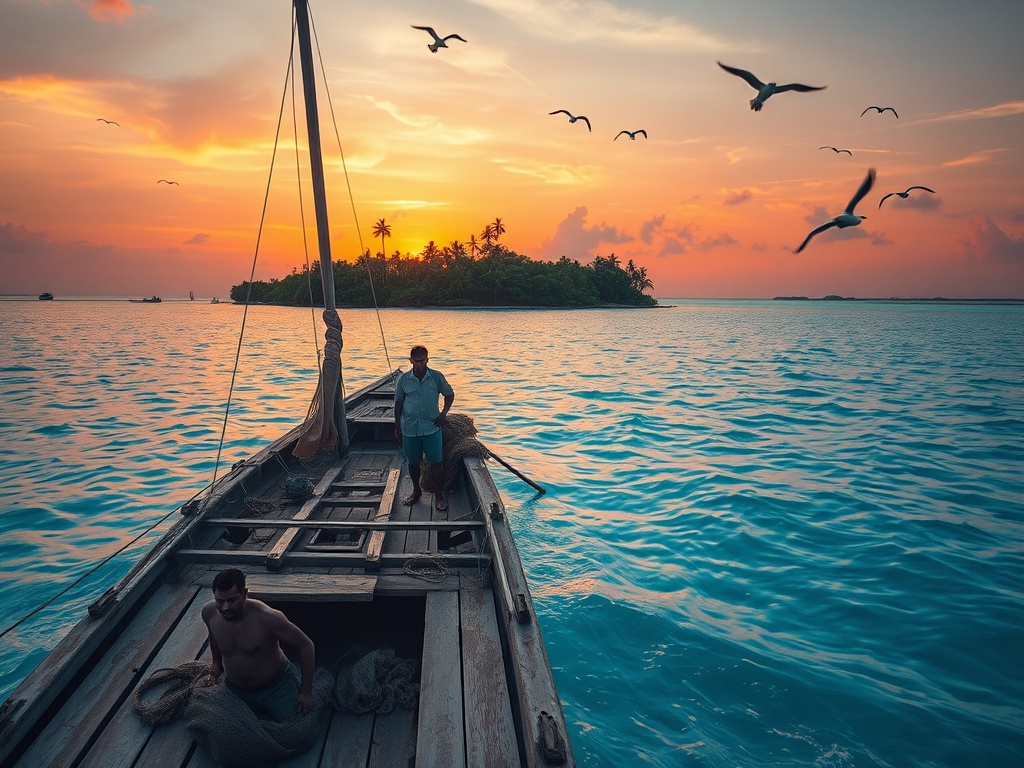
From the fishing dhonis that still navigate by the stars to the coconut palms that have fed families for centuries, Huvadhu holds treasures that modern development often overlooks. The atoll's vast lagoon mirrors the sky in shades of turquoise and deep blue, hiding marine ecosystems that could sustain communities if understood and managed with care. The traditional knowledge passed down through elders speaks of currents, seasons, and sustainable practices that modern conservation is only beginning to rediscover.
Yet this potential remains trapped between political promises and practical neglect. Like many Maldivian communities, Huvadhu faces the paradox of being rich in natural wealth while its people struggle with limited opportunities. The hashtag #OneHuvadhoo suggests a yearning for unity in recognizing this value—not just as economic resources but as the very foundation of cultural identity.
What does it mean to truly 'know' our resources? It's more than geological surveys or economic assessments. It's understanding how the monsoon winds shape fishing seasons, how coral reefs protect shores while nurturing marine life, how traditional medicine plants grow in specific soil conditions. This knowledge lives in the hands of fishermen who read the ocean's moods, in the memories of elders who remember when certain fish were more plentiful, in the community practices that maintained balance for centuries.
Perhaps the greatest resource Huvadhu possesses isn't in its waters or soil, but in the collective wisdom of its people—if only we would listen.
— Source fragments: How i see Huvadhu Atoll If only we know our natural resources #OneHuvadhoo 💚💙