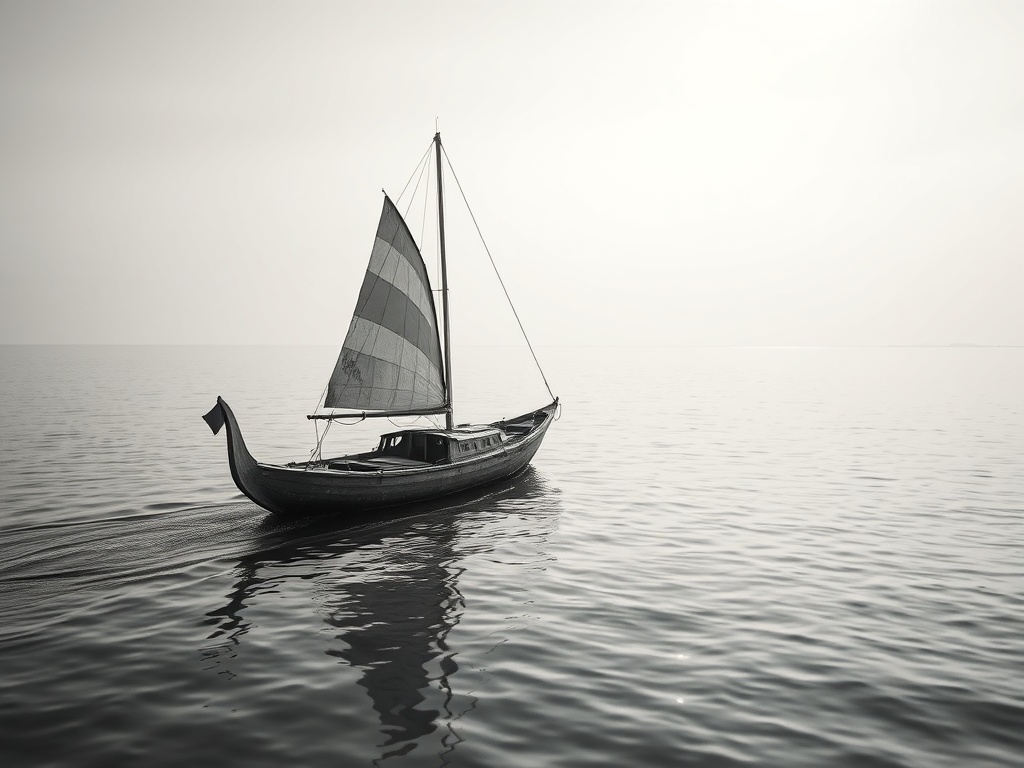
The Japanese Submarine That Sank a Maldivian Memory
The sinking of the Maldives' Yaahunbaraas vessel by a Japanese submarine during World War II remains a poignant moment in the nation's collective memory, yet how Maldivians remember this tragedy reveals deeper currents in our relationship with history and national identity.
Some voices argue the incident should occupy a more prominent place in discussions about Japan or WWII, seeing it as a critical chapter in our national story. Others counter that this was an isolated event—a submarine hunting British targets rather than an imperial attempt to conquer our islands. This perspective suggests we should not "rile up people over past losses" but rather understand the incident in its proper historical context.
The compensation discussion reveals another layer of historical complexity. Records show the UK paid £750,000 for economic development between 1960-1965 as part of broader agreements, supplementing the base lease. This financial acknowledgment, while significant, doesn't fully capture the human cost of the tragedy.
What emerges from these conversations is a generational divergence in historical perspective. Older generations who lived through the British era and earlier periods of scarcity—the "bodu thadhu" years—offer firsthand accounts that complicate romanticized views of the past. Their experiences remind us that not everyone had great lives or sufficient food even during periods some might glorify.
In today's information age, the responsibility to understand our history has never been greater. As one observer notes, "Not knowing in the age of information is shameful." Yet historical literacy requires more than just access to agreements and documents; it demands contextual understanding that separates fact from conflation.
The debate extends to clarifying historical records, with careful distinctions made between different incidents. The British travel restrictions outside Addu, for instance, were implemented due to legitimate security concerns about Japanese submarines sinking vessels—a policy later clarified by officials like Larry Dodds.
What makes the Yaahunbaraas discussion particularly relevant today is how it mirrors our contemporary challenges in navigating complex international relationships while preserving national sovereignty. The incident represents both a tragedy and a lesson in understanding global conflicts from our unique island perspective.
As Maldivians continue to debate our history, what remains clear is that these conversations are not merely about the past—they're about how we understand ourselves as a nation navigating an increasingly complex global landscape while honoring those who came before us.
— Source fragments: Yaahunbaraas incident should be a prominent issue whenever Japan or WWII is discussed; Japanese paid compensation through British; one off incident because had Japanese imperial army tried to conquer our islands they could have; Their sub was just looking for Brits and our people perished; No need to rile up people over past losses; My grandparents benefited from the British; They lived through bodu thadhu; not everyone had great lives or food even during the times you glorify; The UK paid for the base, with £750,000 allocated for Maldivian economic development from 1960-1965; British limited travel outside of Addu due to Japanese U Boats sinking vessels