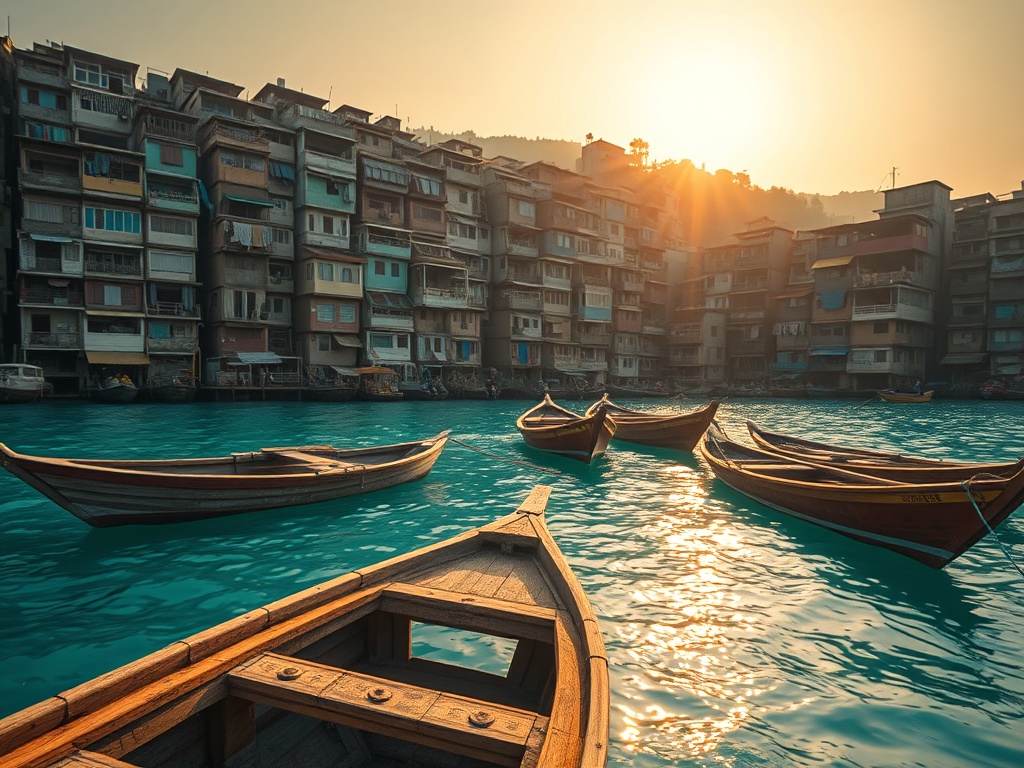
The Lagoon Still Paints Orange, But the Melody Is Off
The sun still sets over the lagoon in brilliant oranges and pinks, painting the same breathtaking canvas that has defined these islands for generations. But beneath this familiar beauty, something has shifted. The rhythm of life feels different now, like a melody played slightly off-key.
In the narrow streets of Malé, the air hangs heavy with more than just humidity. It carries the weight of silent calculations—parents mentally dividing shrinking rufiyaa between school fees and groceries, young graduates counting the months since their last job interview, shopkeepers watching their shelves empty as shipments delay. The sea that once meant freedom now feels like a cage, trapping us in an economy where everything must be imported but little can be afforded.
Our homes tell their own stories. The housing blocks rise like concrete sentinels, but many windows remain dark—units owned by absent landlords who treat basic shelter as investment portfolios. Meanwhile, families cram into single rooms, the walls closing in as rents climb higher. The dream of a simple home with space to breathe becomes another deferred promise.
The water that surrounds us should be our greatest wealth, yet it feels like we're drowning in plain sight. Tourism dollars flow in but quickly flow out, circling the globe in bank accounts far from these shores. The resorts stand as glittering monuments to someone else's prosperity, while our children wonder if they'll ever afford their own fishing boat or small guesthouse.
What hurts most is watching the erosion of something deeper than economics—the slow fraying of community trust. When opportunity becomes something to be granted rather than earned, when hard work no longer guarantees dignity, something fundamental changes in a people. The shared responsibility that once bound island neighbors together weakens, replaced by individual survival strategies.
Yet in the early mornings, when the first fishing dhonis still head out to sea and mothers still gather children for school, the resilience remains. It's in the determined eyes of the young nurse working double shifts, the fisherman sharing his catch with an elderly neighbor, the teacher who buys supplies with her own money. These small acts of resistance against the tide—this is where our hope still floats, waiting for the current to turn.
— Source fragments: High cost of living, housing crisis in congested capital, tourism money parked abroad, youth unemployment, expatriate competition, community trust erosion