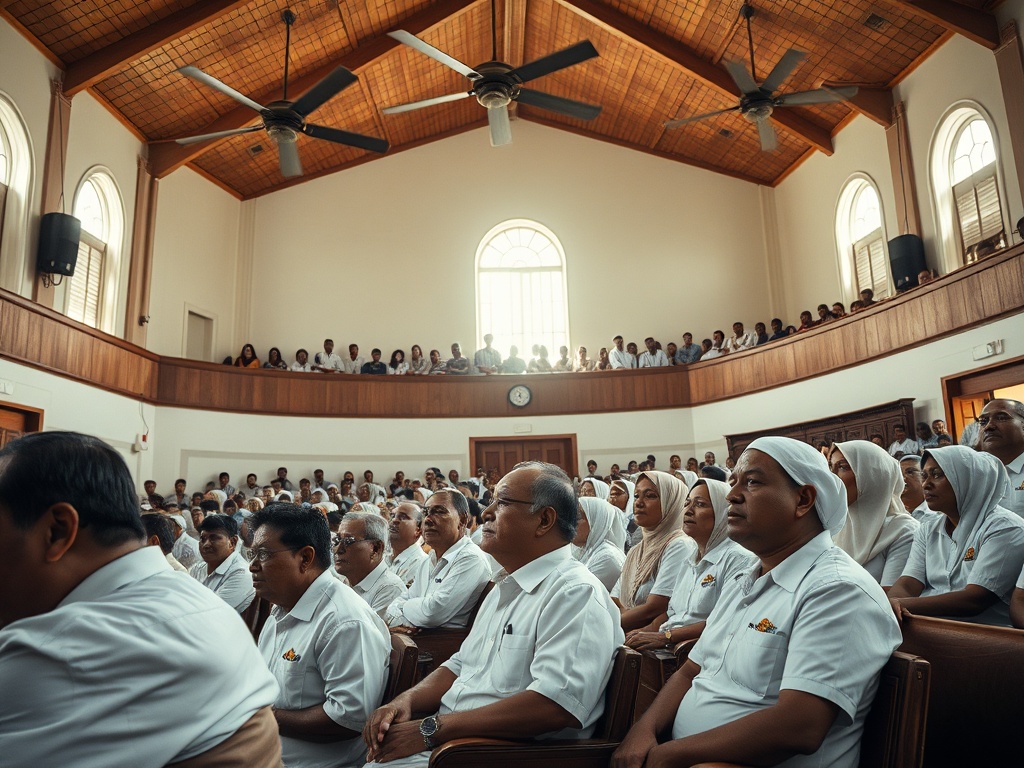
The Land Act That Divides Parliament and the People
In the intricate architecture of governance, every policy decision carries the weight of unintended consequences. The ongoing discourse in Maldives reveals a growing public consciousness about the need for robust systems that can withstand political shifts and administrative changes.
The Land Act, once considered adequate for its time, now faces urgent calls for review as housing pressures mount in Malé and across the atolls. This isn't merely about legal amendments but about addressing fundamental questions of residency, citizenship, and belonging. The conversation has evolved beyond simple policy adoption to deeper considerations of how laws serve people's pressing needs.
At the heart of this dialogue lies the crucial role of parliamentary function. The legislative body exists not just to create laws but to continually upgrade them, prioritizing issues that most affect daily life. Yet this process requires more than political will—it demands institutional safeguards that ensure continuity beyond electoral cycles.
The debate around subsidy distribution and political party financing reflects this maturation of public discourse. Questions about audit mechanisms and public scrutiny of state funds indicate a society moving toward greater accountability. The Elections Commission and Auditor General's roles become central in this landscape, serving as checks in a system where transparency cannot be optional.
Similarly, discussions about administrative appointments reveal concerns about meritocracy and career progression. The suggestion that political appointments should follow structured career paths rather than immediate high-level positions speaks to broader anxieties about institutional integrity and professional development.
What emerges from these conversations is a collective understanding that policy implementation without safeguards risks creating new problems while solving old ones. The call for mechanisms like referendums for major changes represents a public desire for participatory governance that respects both progress and protection.
As Maldives continues its development journey, this balance between innovation and caution, between reform and stability, will define the nation's ability to address its most pressing challenges—from housing and healthcare to economic diversification and foreign relations. The quality of this conversation itself becomes a measure of the nation's democratic health.
— Source fragments: Policy can fix this; Parliament exists to make and upgrade laws to address issues faced by the people; It COULD be residency too, cabinet and parliament are discussing on that; I believe a few of these things could happen if we simply abolish the system with no safeguards or procedures in place; Yup with safeguards that ensure no gov can just throw this plan out without smth such as a referendum and a second plan; If that is the case every subsidy granted from state funds should be subject to public scrutiny