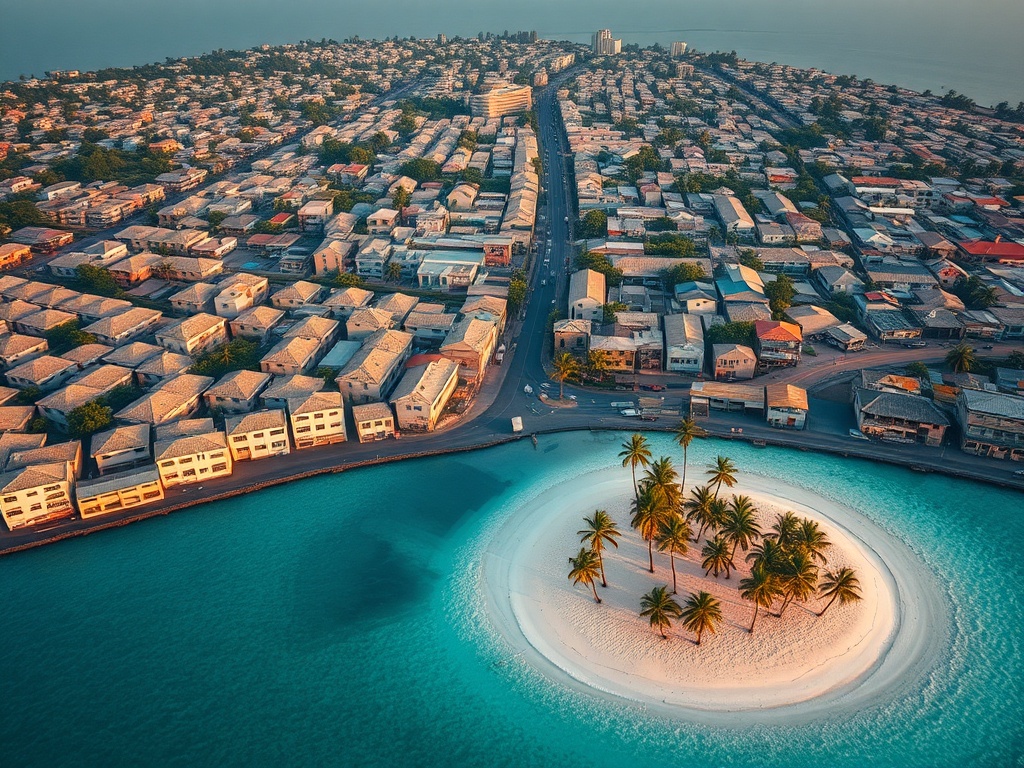
The Land You Cannot Sell, Move From, or Wean Yourself From
The question hangs in the salt-tinged air: what is land if you cannot wean yourself from it? If it cannot be used, sold, moved from? We speak of Male' meeha and Raajjetherey meeha as if they are different substances, different dreams. But beneath the coral stone and white sand, the earth remembers no such distinctions.
In the crowded lanes of Malé, where concrete reaches for the sky and the ocean is a distant memory at the end of every street, land becomes mathematics. A 200-square-foot plot worth millions, a 2,000-square-foot island plot worth thousands. The numbers tell stories of scarcity and desire, of generations compressed into small spaces, breathing recycled air.
Yet there are those who speak of policy with practical hands—hands that may never hold certificates but know the weight of tools, the rhythm of craftsmanship. How do we measure worth beyond paper? How do we honor the skills that build our world but leave no official trace?
The sea surrounds us, yet we speak of land reclamation as if we could manufacture belonging. Environmental assessments document the cost—the coral displaced, the currents altered—while we debate who deserves what slice of earth.
Some speak of residency requirements, of primary homes and secondary dreams. Of taxing those who would profit from basic shelter while others sleep in crowded rooms. The precedents have been set—free land has become currency in the political marketplace, handed out like sweets during election seasons.
But beneath the policy debates lies a simpler truth: land should be for living. For putting down roots, for building homes where families can grow, where children can play in courtyards instead of corridors. Where a person from Fuvahmulah can settle in Hithadhoo, and someone from Malé can find space to breathe elsewhere.
Ultimately, the land will end up with those who tend it, who live upon it, who weave their stories into its soil. Not as investment portfolios, but as places of belonging. The challenge isn't just who gets what, but what we become on the land we call our own.
— Source fragments: technically maybe not, but if you can't yourself wean out of the land and use it for anything else then what is it?; I think the correct policy is not to differentiate between Male' meeha or Raajetherey meeha; the thing is there are people who will not go through the education system no matter what; I don’t believe in free land handouts to begin with; About land: I believe land for living shall be given for free; A 2000 sqft land in S. Hithadho on average is worth about 300-500k I believe. A 200sqft land in Male’ is still worth millions; Ultimately the land will end up with the landowner