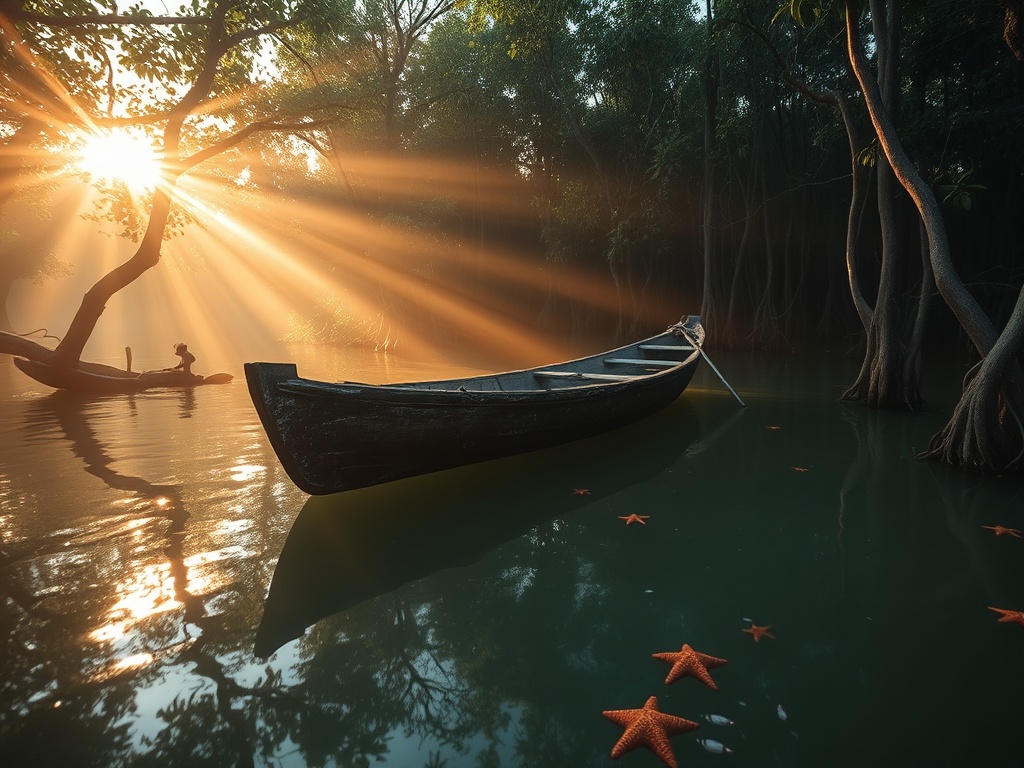
The Last Paddle Through Baravela Muli
The paddle dips silently into the dark water, disturbing only the reflection of the mangrove canopy above. This narrow channel between Baravela Muli and Moolekede Fishimathi has witnessed countless such journeys, but today's feels different—final. The Environmental Protection Agency's approval hangs over these wetlands like a death sentence, turning this peaceful canoe trip into a farewell tour.
Across the archipelago, similar scenes unfold as development priorities clash with environmental preservation. In Addu's Hithadhoo, Fishimathi mangrove—described by opponents as a living nursery for fish, crabs and shrimp—faces reclamation for a new road despite existing alternatives. In Fuvahmulah, reports emerge of coconut palms being felled along the southeastern shore, another project apparently mimicking Malé's concrete landscape.
The debate transcends individual projects, touching on fundamental questions about Maldivian identity in the 21st century. The push for 'tharahghee'—development often manifested as concrete structures resembling the capital—reflects genuine aspirations for modern infrastructure and economic opportunity. Yet this comes at the cost of natural protections that have sustained island communities for generations.
Mangroves represent more than ecological features; they embody a relationship between land and sea that defines the Maldivian experience. They serve as natural storm barriers, fish nurseries supporting local livelihoods, and carbon sinks in a nation disproportionately affected by climate change. Their destruction for short-term development gains creates what critics call a dangerous paradox: pursuing modernization while undermining the very environmental resources that make the Maldives unique and habitable.
The tension plays out in community responses. Petitions circulate, NGOs raise concerns, and local residents voice opposition, yet projects proceed. The pattern repeats across islands—natural assets sacrificed for development that promises progress but often delivers questionable long-term benefits. The framing of these projects as innovative industries clashes with the reality of centuries-old ecosystems requiring decades to mature.
As the canoe glides through Fishimathi's narrowing channels, the sensory experience underscores what stands to be lost: the chorus of nesting birds, the intricate root systems hosting juvenile marine life, the quiet dignity of a ecosystem that has evolved perfect adaptations to its environment. These are not vacant lands awaiting development, but complex living systems that represent the Maldives' most valuable natural capital.
The journey ends too soon, the canoe returning to solid ground that feels increasingly uncertain. The question lingers in the salt-tinged air: Can a nation built on delicate environmental balance find a development path that preserves the very resources that define it? Or will the push for modernization leave future generations with concrete where mangroves once grew, remembering what was lost in the name of progress.
— Source fragments: Canoeing from #BaravelaMuli to #MoolekedeFishimathi. Probably my last time in fishimathi, EPA approved to destroy our mangroves; Addu's Hithadhoo Fishimathi mangrove is not vacant land. It's a living nursery for fish, crabs and shrimp; Fuvahmulah cutting down plan trees; Most islanders want 'tharahghee'... and that means concrete structures... like in Male' City; Destroy the most valuable commodity we have to get a few dollars