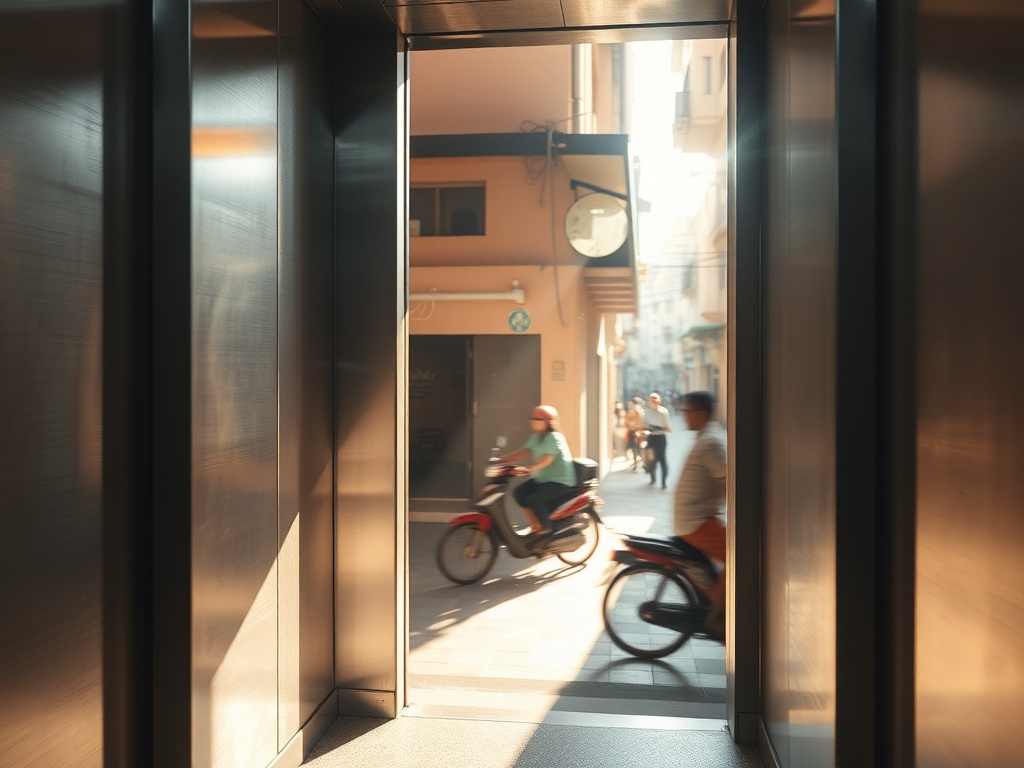
The Lift Descends, the Mind Stays Behind
The lift descends from second to ground floor, a journey of seconds that sometimes feels like an eternity. In that suspended space between floors, something happens—a momentary pause where reflection intrudes upon routine. It's in these interstices of modern Maldivian life that we find ourselves confronting truths we otherwise avoid.
Across the archipelago, from the congested streets of Malé to the resort islands that generate wealth that rarely trickles down, there's a growing sense of things being 'in a huge mess.' The phrase echoes through conversations about governance, economy, and daily survival. It's not just political rhetoric; it's the lived experience of families navigating a cost of living crisis, of graduates facing unemployment despite their qualifications, of entrepreneurs competing with uncontrolled expatriate labor.
There's a particular exhaustion with 'stories and self-promotion'—the constant political narratives that promise much but deliver little. The feeling that important issues are being overshadowed by performative politics, that substance has been replaced by spectacle. This isn't mere cynicism; it's the wisdom of a people who have seen too many cycles of hope and disappointment.
The economic pressures manifest in subtle ways—the careful calculation of every rufiyaa spent, the strategic decisions about what to import when foreign currency is scarce, the quiet desperation of those watching resort profits flow overseas while local communities struggle. There's mourning for what could have been, for the reality that must be faced: that the system isn't working for everyone.
Yet within this acknowledgment of broken systems, there remains resilience. The hands that might 'give you nightmares' with their labor are the same hands that build, create, and persist. The criticism of 'false sad stories' reflects not heartlessness but a demand for authenticity—for recognition of both struggle and strength without manipulation.
In the final analysis, what we're witnessing is not just political or economic crisis, but a crisis of meaning. The question isn't merely how to fix systems, but how to rebuild trust, how to find authentic connection in a landscape crowded with performance, how to maintain dignity when so much feels transactional.
The lift eventually reaches the ground floor, the doors open, and life continues. But something lingers from that moment between floors—the understanding that real change begins not in grand pronouncements but in these quiet spaces of reflection, in the collective decision to stop accepting what's 'not acceptable,' and in the courage to imagine something different for these islands we call home.
— Source fragments: Economic complaint about pricing disparities, political disillusionment ('false stories', 'self-promotion'), elevator reflection metaphor, 'huge mess' description, 'not acceptable' judgment, 'final stages' emotional tone