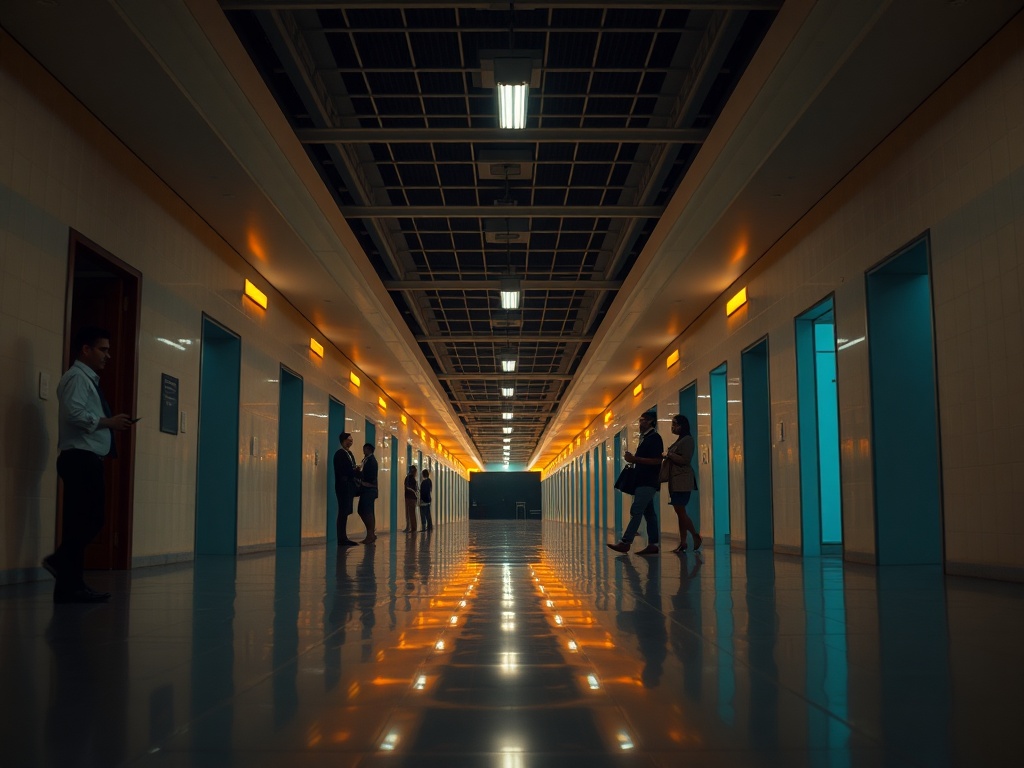
The lights are on, but there's nobody home
It’s a phrase that echoes through the narrow streets of Malé, whispered in tea shops and shared on social media: 'The lights are on, but there's nobody home.' On the surface, it speaks to the spectacle of a government in motion—ministries humming, official statements flowing, grand projects announced. But look closer, and you see the emptiness. What does it mean when the machinery of state operates, yet the people feel utterly unserved?
Consider the sheer scale of our public sector. Dozens of ministers and state ministers appointed to every ministry, a bloated structure that should, in theory, deliver efficiency. Instead, it delivers political patronage. These are not appointments based on merit or a drive to serve; they are rewards for loyalty, creating a class of non-working staff who draw salaries while the real work—addressing the housing crisis, fixing healthcare, creating jobs—goes undone. The lights are shining brightly in the government offices, but who is actually at the desk, and what are they doing for you?
The problem isn't just inefficiency; it's a systemic diversion of resources. While families in Malé cram into overcrowded apartments and young graduates struggle to find work, the state is busy with political theater. Heavily subsidized housing flats, meant for locals, are handed out as electoral bribes. Then, we discover the ultimate insult: leaseholders living abroad, subleasing these units for profit while paying nothing to the government. The system is literally housing ghosts while real citizens go without.
This hollowness permeates every sector. Our national health insurance, Aasandha, is abused by providers overcharging for services, draining funds that should ensure every Maldivian has access to care. Meanwhile, medicine shortages are routine, forcing many to seek treatment overseas—a luxury most cannot afford. The lights in the hospitals may be on, but the healing isn't happening here.
Economically, the picture is just as bleak. The government prints money to cover its spending, driving up the cost of living for everyone. Resorts earn foreign currency, but that money is parked abroad, not circulating here to build our future. Expatriate remittances flow out, and we face constant foreign currency shortages. We have all the institutions of a functioning economy, but the prosperity isn't trickling down to the average person.
So, we must ask: if the lights are on and nobody's home, who flipped the switch? The answer points to a leadership more focused on consolidating power than on public service. With a politicized judiciary, eroding freedoms, and nepotism placing relatives in ambassadorial roles, the state has become a private club. The 'India Out' campaign and other geopolitical maneuvers distract from the domestic void, but they don't fill it.
What is the way out? It begins with recognizing that a government’s worth isn't measured by how many lights are burning in its offices, but by whether those inside are working for the people who pay the electric bill. It requires a return to meritocracy, a crackdown on corruption, and a commitment to prioritize the needs of Maldivians over political games. The current path leads to a beautifully lit facade with nothing behind it. We must demand more—not just lights, but life within our institutions.