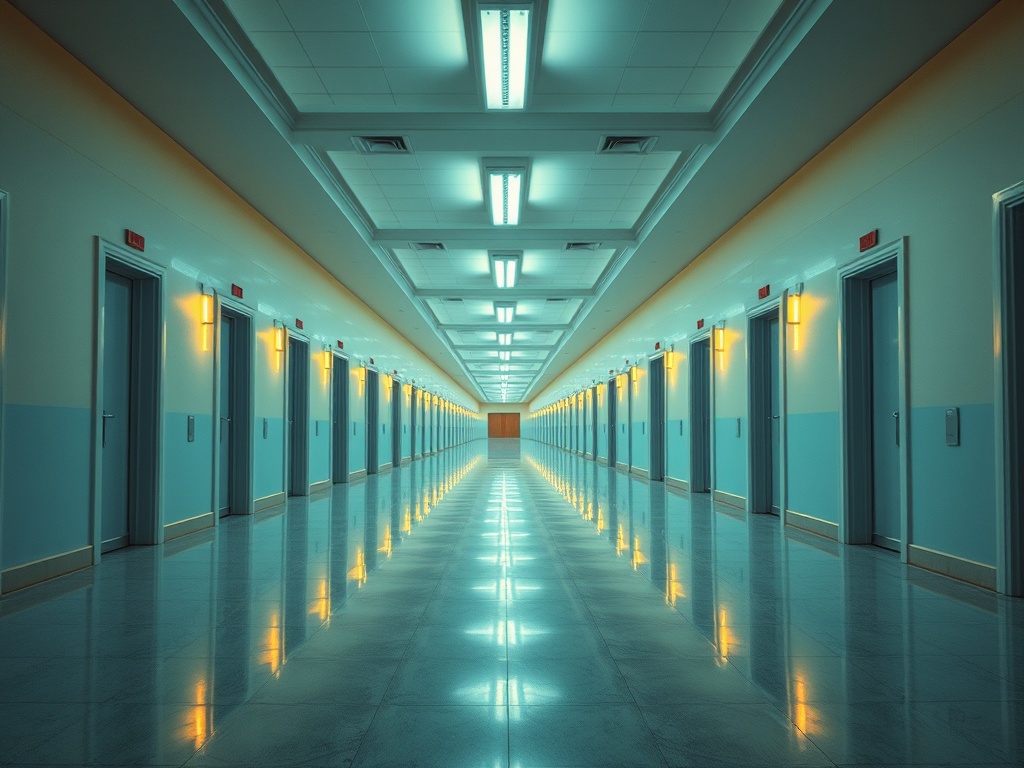
The lights are on, but there's nobody home
We see the buildings, the ministries, the official titles—but where is the work being done? The phrase 'the lights are on, but there's nobody home' captures a profound emptiness at the heart of our public administration. It’s not just about physical presence; it’s about functional presence. Why do we have dozens of state ministers and deputies if the core services—healthcare, housing, economic management—remain broken?
The problem isn't a lack of manpower on the payroll. It's a surplus of politically connected individuals occupying chairs without a corresponding output of public good. This creates a dual crisis: it drains the national treasury through salaries and perks for non-performing roles, while simultaneously eroding public trust in the very idea of governance. When citizens interact with a ministry and find no substantive help, the entire social contract frays.
What is the real cost of this inefficiency? Look at the healthcare system. We have a minister, multiple state ministers, and a vast bureaucracy, yet patients still face medicine shortages and are forced to travel abroad for treatment. The Aasandha scheme, meant to be a lifeline, is exploited by providers while the citizen is left in the lurch. The structure exists, the 'lights' of the system are visibly on, but the healing, caring function is absent.
The housing crisis in Malé offers another stark example. Grand announcements are made, projects are launched with much fanfare, and political appointees oversee them. Yet, the outcome is a market distorted by graft and privilege. Subsidized flats meant for needy locals are subleased for profit by leaseholders living comfortably abroad, who often don't even pay their dues to the government. The administrative machinery is present, but it fails to enforce rules or ensure equitable distribution. Who is 'home' in these government houses? Certainly not the public they were built to serve.
This operational void has a direct, painful impact on our economy. A bloated, inefficient public sector fueled by money printing contributes directly to the high cost of living that suffocates ordinary families. Taxes rise to fund this apparatus, while the return on that investment—in terms of efficient service delivery—is negligible. We are paying for the lights and the empty chairs, but receiving no light ourselves.
So, what is the solution? It begins with a radical re-evaluation of what government is for. Is it a jobs program for political loyalists, or is it an engine for public welfare? We must demand performance-based appointments and ruthless efficiency. Every position must justify its existence through measurable outcomes, not political connections. The public sector needs a purge of redundancy and a reinfusion of purpose.
The current model is unsustainable. It bankrupts the nation financially and morally. When the people see the lights on in government buildings but feel the darkness in their daily lives, the system has already failed. The question for every citizen is this: Will we continue to pay the electricity bill for an empty house, or will we demand that someone actually comes home to work?