The Loyalty Card That No Longer Fits in Malé's Changing Economy
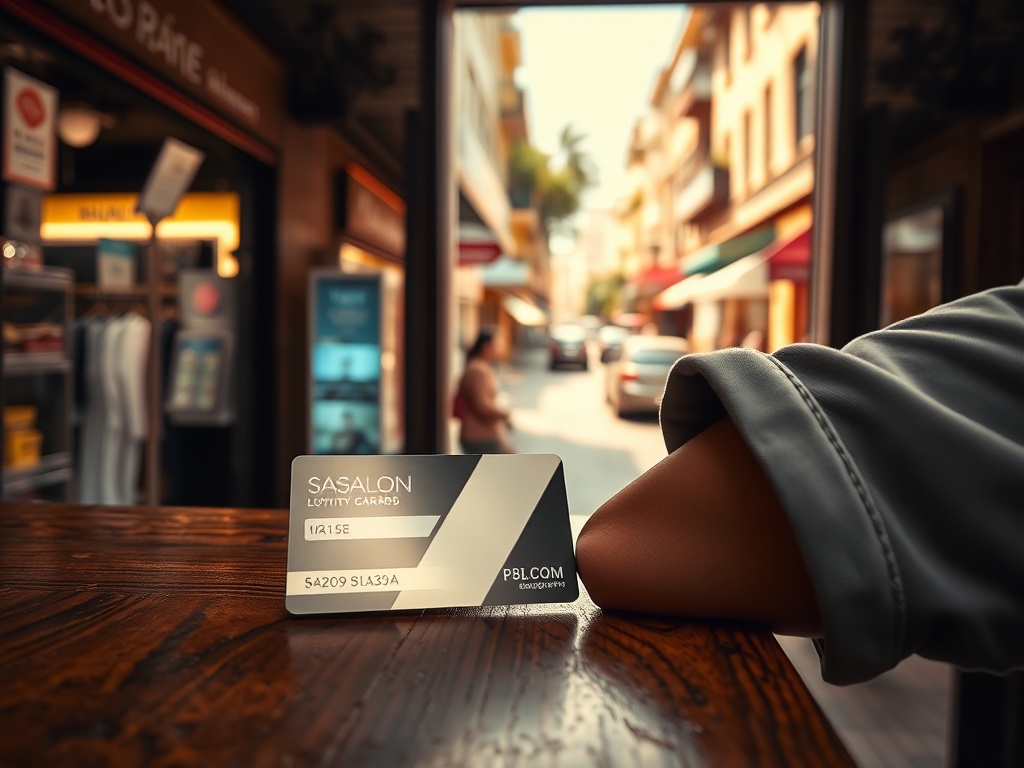
In the heart of Malé's bustling commercial district, a glossy loyalty card from Glitzy Salon feels increasingly like a relic from another era. The card promises rewards and recognition, yet its holder looks at it with a sense of irony. This small rectangle of plastic represents something larger—the growing disconnect between corporate structures and daily financial realities.
Glitzy Salon, with its hundreds of shareholders, embodies a certain type of Maldivian business success story. It's the kind of enterprise that appears robust on paper, with distributed ownership and visible brand presence. Yet for the cardholder, the experience feels increasingly surreal. "Boy it was like I was living inside Artificial Beach," they remark, referencing the manicured, temporary perfection of Malé's reclaimed land area—a place designed for appearance rather than substance.
This sentiment echoes through the islands, where the high cost of living forces difficult choices. The search for something as simple as Vaseline's "rosy" lip balm becomes symbolic of the scarcity that punctuates daily life. When basic products become unavailable or unaffordable, loyalty programs begin to feel like empty gestures.
The Maldivian economy operates on multiple levels simultaneously. On one hand, tourism continues to generate foreign exchange, with resort owners and shareholders benefiting from the influx of visitors. On the other, ordinary citizens navigate rising prices, foreign currency shortages, and the constant pressure of making ends meet. The loyalty card in someone's wallet represents participation in this system, but the rewards feel increasingly distant.
This economic duality manifests in various ways across the archipelago. While shareholders enjoy dividends, many Maldivians struggle with unemployment and limited opportunities. The same system that produces glossy salon chains also creates the conditions where basic healthcare and housing become luxury concerns.
The experience of holding that loyalty card while questioning its actual value reflects a broader societal moment. As the cost of living rises driven by government money printing and increasing taxes, the gap between corporate prosperity and individual financial stability widens. The card becomes less about loyalty and more about the performance of participation in an economy that doesn't always reciprocate.
In this context, the simple observation—"Could have been an email?"—takes on deeper meaning. It's not just about the efficiency of communication, but about the efficiency of an entire economic system. When the mechanisms of commerce feel disconnected from lived reality, every transaction, every loyalty program, every shareholder meeting begins to feel like something that could have been handled differently—more directly, more authentically, more beneficially for all involved.
As Maldivians navigate these economic pressures, the small artifacts of consumer culture—the loyalty cards, the unavailable products, the artificial experiences—become touchpoints for understanding larger structural issues. They're not just objects; they're indicators of an economy struggling to balance corporate success with individual wellbeing.
— Source fragments: I have a Glitzy salon loyalty card, they have hundreds of shareholders, Boy it was like I was living inside Artificial Beach