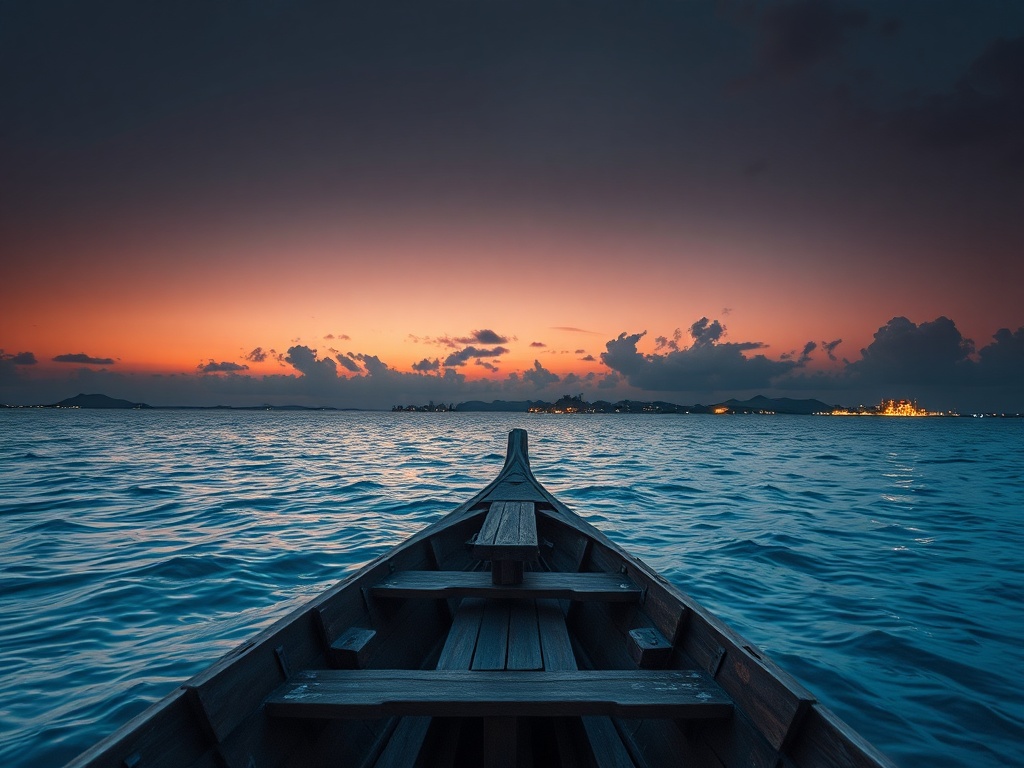
The Maldives is an independent country, an archipelago in the Indian Ocean.
In the digital chatter of a global conversation, a simple question cuts through: 'Is Maldives a country and what's the type of people that live their or who's their president'. This isn't just a query; it's a reflection of how a nation can be simultaneously famous and unknown. The Maldives appears in the same breath as aspirational holiday prizes and budget travel alternatives, its identity flattened into a destination. Yet, one voice rises to correct this, offering a concise, proud definition: 'an independent country, an archipelago in the Indian Ocean'.
This act of definition is more than informational; it's an assertion of sovereignty. While others discuss the islands as a luxury commodity or a backdrop for international roles like an 'esports ambassador', the core need is for recognition of the nation itself. The people are named—Maldivians—their rich, diverse heritage acknowledged. This creates a quiet tension between the global perception of a paradise and the local reality of a distinct national community with its own language, culture, and leadership.
The conversation, though fragmented, points to a larger story. It’s about the space a small island nation occupies on the world stage, often celebrated for its natural beauty but sometimes overlooked for its political and cultural substance. The collective voice here, from the curious question to the definitive answer, forms a plea for a more complete understanding, moving the Maldives from a pin on a travel map to a recognized member of the global community.