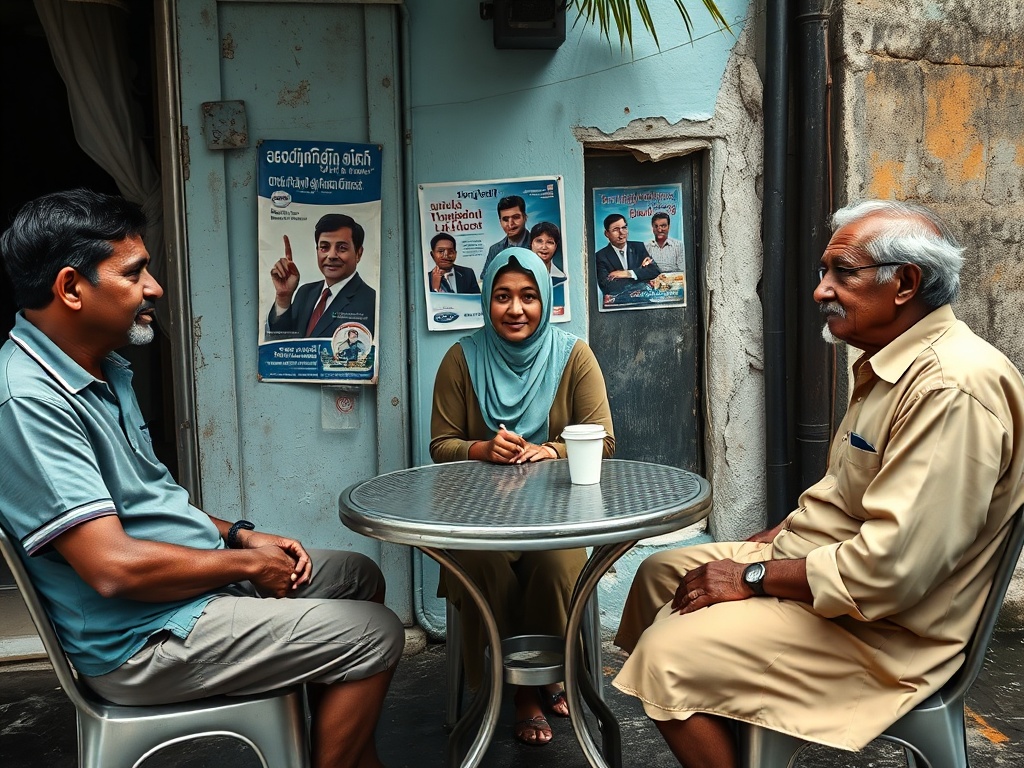
The Maldives' Political Choice Beyond Two Familiar Names
The political landscape of the Maldives is undergoing a quiet but significant transformation. Across social media platforms and private conversations, a growing chorus of citizens is expressing exhaustion with the binary choice between the ruling Progressive National Congress (PNC) and the main opposition Maldivian Democratic Party (MDP). This sentiment reflects deeper currents of political disillusionment that have been building for years.
The conversation has shifted from simply choosing between existing options to actively seeking new political pathways. When voters declare they're "leaving our parties, politicians and the phenomena of it's the only 'two options' you have," they're articulating a fundamental rejection of the current political framework. This isn't mere protest voting or apathy—it represents a deliberate search for meaningful alternatives.
Legal and procedural questions further complicate the landscape. Discussions about former President Yameen's eligibility highlight how the judicial system intersects with political competition, while analysis of electoral patterns reveals strategic calculations about when candidates might run based on perceived windows of opportunity. The observation that "no candidate is still able to win 2 terms consecutively" points to structural challenges within the political system itself.
New political figures are emerging in this environment. The growing popularity of figures like Faisal from Fuvahmulah suggests that voters are looking beyond established political dynasties and capital-centric leadership. Meanwhile, local governance successes—where mayors accomplish tangible benefits for their constituents—demonstrate that effective leadership can build credibility outside traditional party structures.
The search for a "third option" represents more than just political discontent. It reflects a desire for leadership that transcends personality politics and addresses systemic issues like governance efficiency, economic stability, and social development. As one perspective notes, this isn't about joining protest movements but about "helping come up with a better option" through sustained effort.
This emerging political consciousness suggests that Maldivian democracy may be maturing beyond party loyalties toward issue-based politics. The challenge for any emerging alternative will be to translate this diffuse dissatisfaction into a coherent political platform that addresses the nation's pressing challenges while offering a viable alternative to the established political order.
— Source fragments: Leaves ? I never said nor implied I am leaving Maldives, I said I am leaving our parties, politicians and the phenomena of it's the only 'two options' you have; When I say I won't chose any of the major two options, I will help come up with a better option; If I say I won't vote for MDP or PNC it doesn't mean I am joining TeamBathil, it means I will join others who seek to find option 3 and we will get it done, slowly; 2 years later MDP realises Faisal from Fuvahmulah is popular among the people