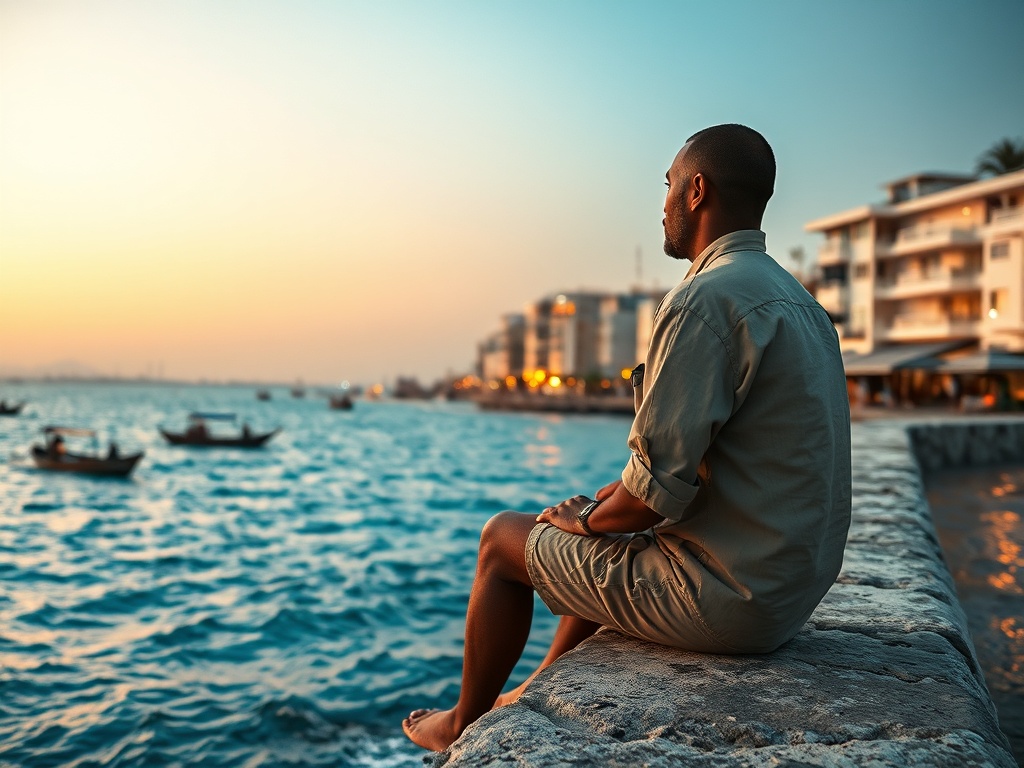
The Maldives' Silent Sorrow: When Hope Ebbs Like the Tide
There's a particular heaviness to the air these days, one that even the sea breeze can't seem to lift. I remember during the pandemic, when the world stood still and fear was a tangible thing, there was a strange unity in our struggle. We faced hardship, yes, but we faced it together. Now, the struggle feels different—more insidious, more personal. The financial strain that once felt like a shared burden now settles like a private weight on each household, heavier than during any global crisis.
I think about employment, about the simple dignity of work. We don't ask for deputy minister positions or inflated titles. We ask for honest work that pays honest wages. We ask for leaders who understand that a nation thrives not when a few hold power, but when all can contribute meaningfully. Instead, we watch as political theatrics play out in the Majlis, a performance that seems designed to consolidate power rather than serve the people.
There are days I walk through Malé, watching the endless stream of cars on newly paved roads, past the concrete bandharu that grows larger while libraries and creative spaces remain unbuilt dreams. We're building infrastructure, but we're neglecting the soul of our communities. We're told what we need—more roads, more cars—while the things that nourish minds and spirits are treated as afterthoughts.
And through it all, the quiet corruption continues. Not the dramatic scandals that make headlines, but the daily erosion of trust when those in power fail to act, when turning a blind eye becomes complicity. The local businesses that should be thriving struggle against systems that favor the connected, while young entrepreneurs try to build something real through Instagram shops and sheer determination.
I find myself waiting—not just for better days, but for the day when waiting itself becomes unnecessary. When I can sleep peacefully, knowing the country is in good hands and its people are cared for. Not as subjects to be managed, but as citizens to be served. One can always dream, right? But dreams shouldn't feel like luxuries in one's own country.
— Source fragments: Financial hardship worse than pandemic times; Desire for full employment without political patronage; Longing for trustworthy leadership; Frustration with political theatrics and systemic corruption; Community development priorities favoring infrastructure over cultural/social spaces