The Meal That Fell, The Plate That Came Back Full
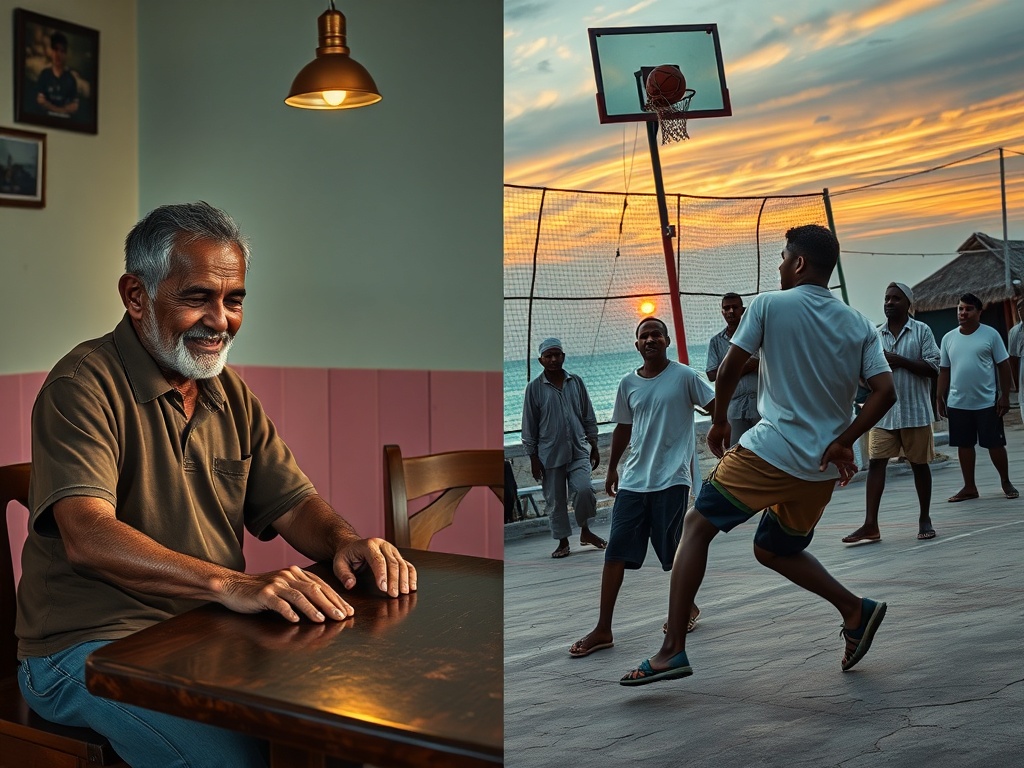
In a small restaurant, an elderly man's tray clatters to the floor. The sound echoes briefly before the owner steps forward—not with annoyance, but with gentle reassurance. He guides the man to a table and returns with a fresh meal, refusing payment. This small act of grace, shared and celebrated online, resonates because it represents something deeper: the quiet dignity that persists when communities choose compassion over transaction.
Parallel to this restaurant scene unfolds another story of redemption, this one at a sports club that has become a sanctuary. Here, young men gather not just for competition, but for escape—from the gravitational pull of drug dealers and hooliganism that has claimed so many of their peers. Their presence represents a conscious turning away from paths well-trodden, a collective decision to become the fathers their own fathers might not have had the opportunity to be.
What connects these two narratives is the deliberate creation of space for second chances. The restaurant owner could have seen a mess; instead he saw a person. The community could have written off these young men; instead it offers them a basketball court and a different vision of masculinity. These are not grand policy initiatives or political programs, but organic responses to human need.
Observers note something significant in the composition of crowds at such gatherings—the conspicuous absence of young adults in certain spaces speaks volumes. Their migration toward more constructive environments suggests a quiet revolution occurring beneath the surface of island life. They are not waiting for solutions to be handed down; they are building them court by court, meal by meal.
This generational shift toward responsibility reflects a profound understanding that better parents create better societies. The young men shooting hoops where they might once have been causing trouble are rewriting their family narratives in real time. Their commitment represents hope made visible—not as abstract aspiration, but as sweaty, determined practice.
In a world often focused on division and dysfunction, these small acts of kindness and redemption remind us that the fabric of community is repaired one thread at a time. The restaurant owner's free meal and the sports club's open doors are different expressions of the same truth: that societies heal when we make room for one another's humanity, especially when it stumbles.
— Source fragments: Elderly man's dropped tray and restaurant owner's compassionate response; Sports club as refuge from negative influences and path to better parenting; Observation about young adults' absence from certain crowds