The Memory Beneath Our Feet: How Dhivehi Words Still Guide Us Home
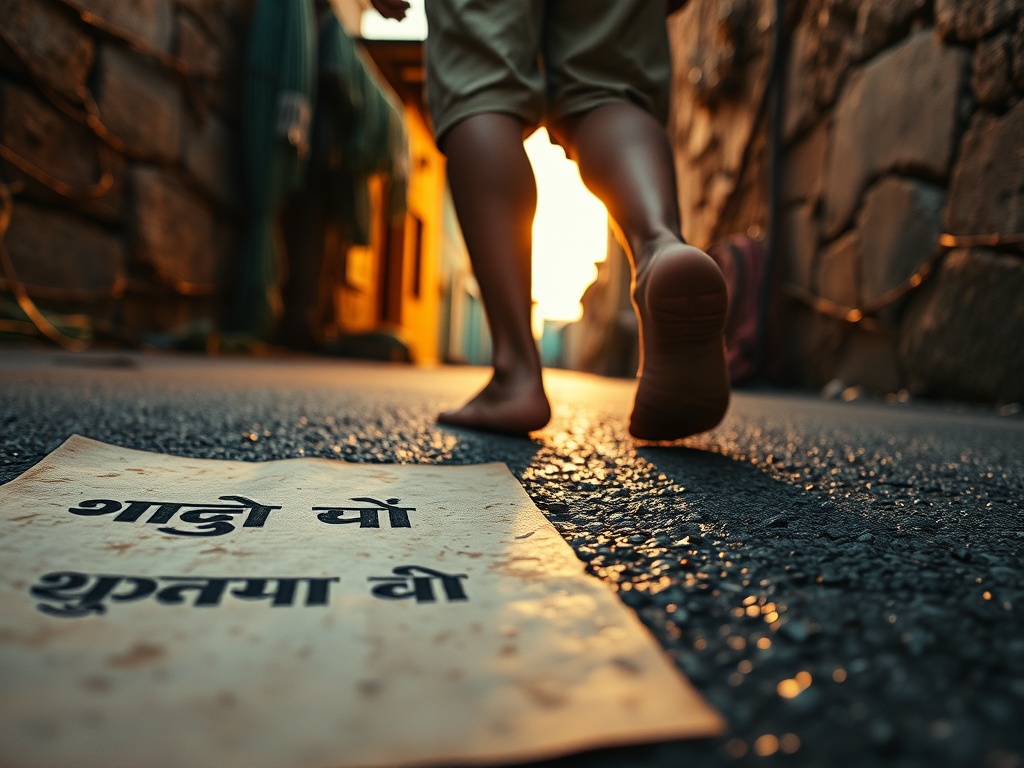
The asphalt still holds the day's heat as evening settles over Malé. Barefoot children once knew these streets by texture and temperature, navigating not by street names but by the memory in their soles. Their world was mapped in a language now preserved in loamafaans and faiykolhu—archaic Dhivehi directions that speak of a time when orientation came from the sea, the wind, the position of the sun.
I found these words recently in a government announcement from the 1970s, a fragile bridge between then and now. They remind me that we carry entire worlds within our language, even as new ones form around us. The same tension exists in our conversations today—between what we inherit and what we create, between foreign influences and local wisdom.
'We have to culture our own narrative,' someone wrote, and the phrase lingers. Not just create, but culture—to nurture slowly, organically, like coral building a reef. This work happens in the spaces between the grand political debates and economic analyses, in the quiet determination to preserve what matters while making room for what must change.
On these islands, we've always understood that development isn't merely about structures rising from the sea. It's about ensuring the foundation holds—that the words we use to describe our world remain rooted in the reality we experience. When we speak of progress, we must ask who it serves, why some are left walking barefoot on hot asphalt while others watch from air-conditioned rooms.
The most meaningful directions aren't always found on maps. Sometimes they're carried in the language of our grandparents, in the wisdom of knowing which currents to follow, which shores to trust. They remind us that every generation must find its own way forward while remembering where it came from—meeting somewhere halfway between tradition and tomorrow, between the words we inherit and the stories we have yet to write.
— Source fragments: Archaic words for directions in Dhivehi; we have to culture our own narrative; barefoot on asphalt; meet me halfway