The Names Our Houses Hold
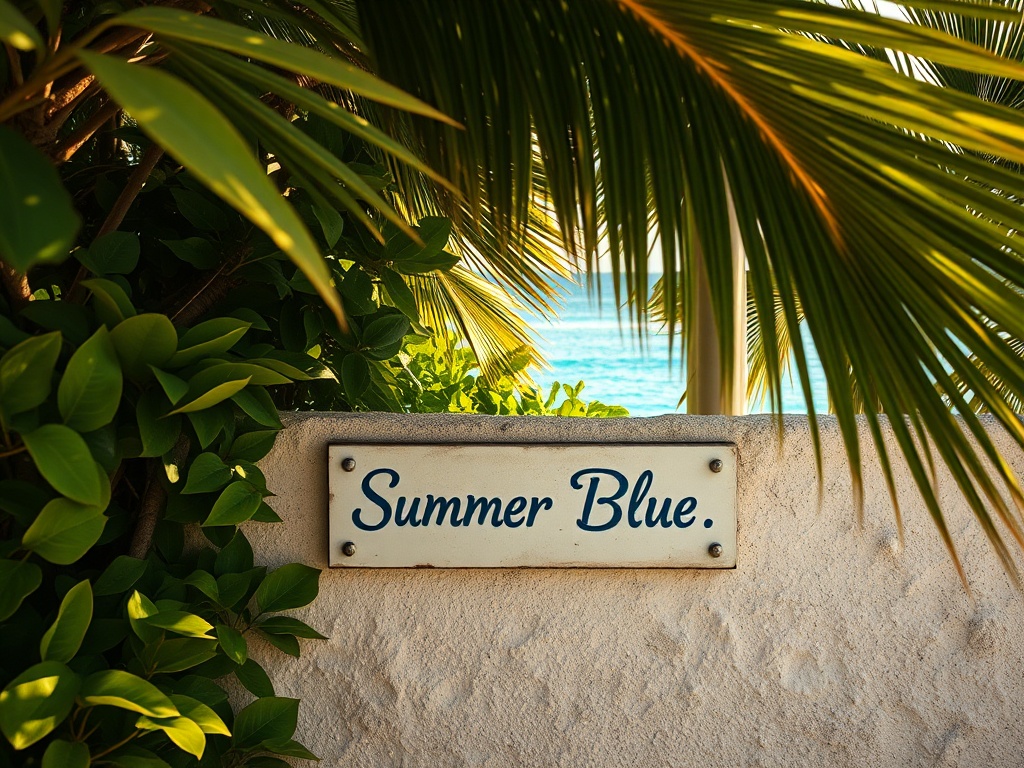
I was scrolling through the endless stream of updates when a simple observation caught my eye—someone wondering about the name 'Samarublu' and discovering it came from 'Summer Blue.' That small revelation felt like finding a seashell with an unexpected pattern, something ordinary that suddenly held a story.
In these islands where we live so close to the ocean, names carry weight. They travel across languages, sometimes changing shape like waves hitting different shores. A house named 'Rage' might become 'Raa Ge' in local pronunciation, the English word softening to fit Maldivian tongues. The blue of a foreign summer becomes 'Samarublu,' a name that now belongs completely to these atolls.
I think of the houses I've known—'Sea Breeze,' 'Coral View,' 'White Sand.' Each name paints a picture of what someone valued enough to declare to the world. In a place where land is scarce and every square meter matters, naming your home feels like planting a flag on your small piece of these islands. The names become part of family identity, passed down like the shape of a smile or a particular way of brewing tea.
There's something quietly beautiful about how language adapts here, how foreign words find homes in our vocabulary and become something new. That house called 'Summer Blue' probably started as someone's memory of cooler climates or perhaps just a favorite color, but now it's woven into the fabric of Maldivian life, its origin story waiting for someone curious enough to uncover.
In a world of political debates and urgent discussions, these small linguistic discoveries remind me that our connections run deeper than surface disagreements. We're all just people trying to name our corner of the world, to leave some mark that says 'I was here, and this is what mattered to me.'
— Source fragments: If there was a house named rage in maldives, some people would pronounce it as raa ge. I used to wonder why samarublu ibrahim manik was given the name samarublu. Then i discovered that his house is named summer blue.