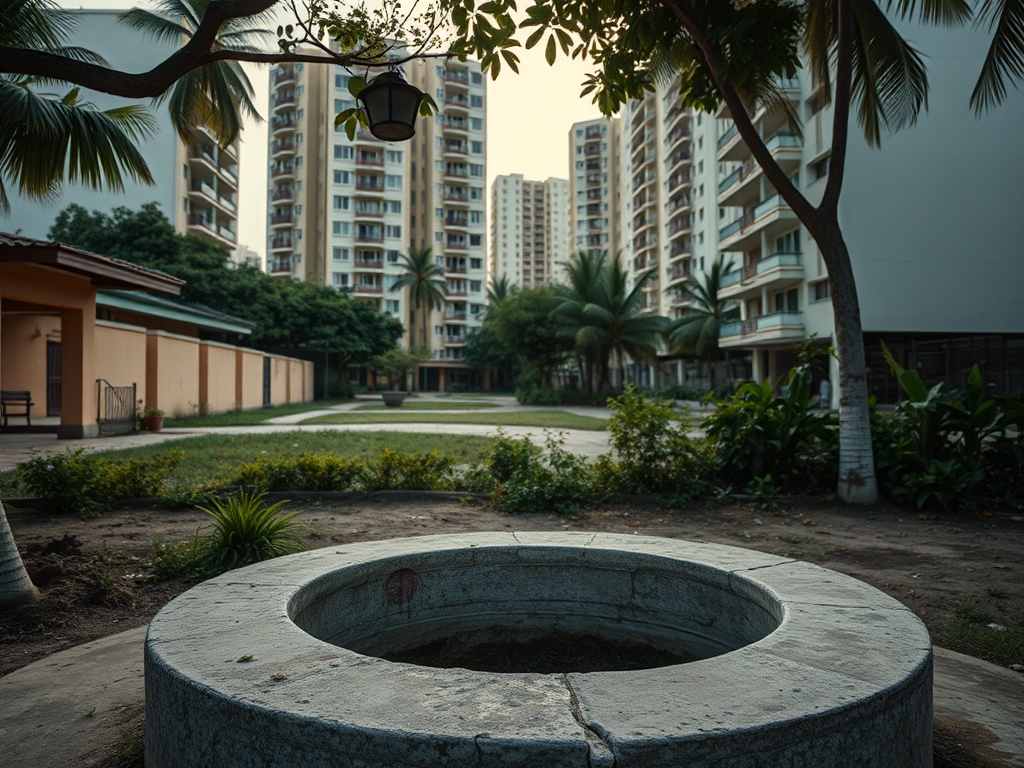
The Old Well and the New City's Shadow
The conversation begins with a question about brutality—not just any brutality, but how to properly showcase it. The Mughals and British were equally brutal, the speaker notes, then pivots to a more immediate concern: why should future generations be condemned to relive historical horrors? This isn't abstract historical debate; it's about the inheritance of trauma and the choices we make about what to remember and what to release.
Just last week, someone mentioned Japan—how they've managed something we haven't. The thought hangs incomplete, but the implication resonates: other societies have found ways to confront difficult histories without being consumed by them. Meanwhile, personal memories surface like artifacts from a buried past. An ex-detainee singing years ago. The mystery of why Ali Rameez broke out of Salaf. These aren't just anecdotes; they're fragments of a national narrative that remains largely unwritten.
"I don't know more than you," one voice admits, "but the difference between the vast majority of this country and me is that I remember. Every little detail." This declaration captures the central tension: in a society rushing toward modernization, those who remember become both historians and outliers. Memory becomes both burden and responsibility.
Physical remnants persist too—a well still used for ablution, the remains of another near an old mosque area, both circled in red in a photograph. These aren't merely historical sites; they're living connections to what came before, physical anchors in a sea of change.
In the Maldives today, where political divisions run deep and economic pressures mount, this conversation about memory and history takes on urgent significance. The country faces corruption scandals, foreign relations tensions, and a housing crisis in the congested capital. Youth struggle with unemployment and drug use while the healthcare system remains inadequate. In such circumstances, understanding how we remember—and why—isn't academic; it's essential for navigating the present.
The question isn't whether to remember, but how to remember in ways that illuminate rather than imprison. How do we acknowledge historical brutality without perpetuating it? How do we honor memory while building a future that transcends past traumas? The wells still stand, the memories persist, and the conversation continues—not as nostalgia, but as necessary reckoning with what brought us here and where we might go next.
— Source fragments: Mughals & British brutality; future generations living through horrors; difference is that I remember; Ali Rameez breaking out of Salaf; wells used for ablution and remains of old well