The Peace We Can't Afford
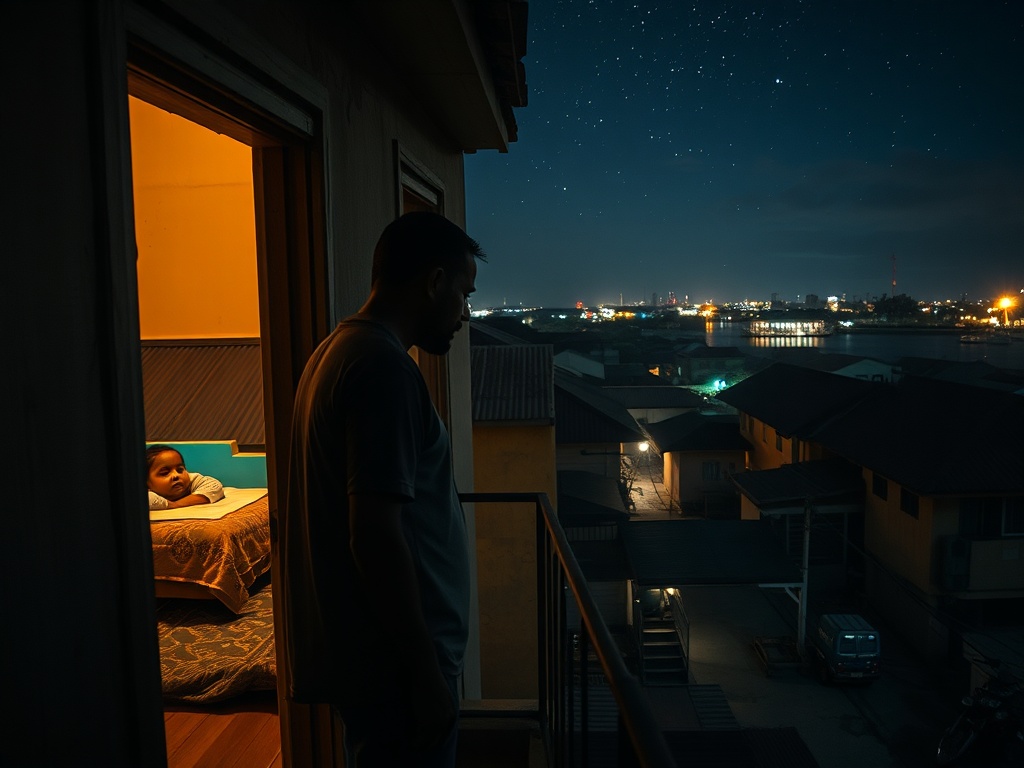
The generator's hum finally stopped. Ahmed stood on his narrow balcony, breathing in the sudden silence. Across the alley, the usual shouting from the political argument next door had ceased. No motorcycles revving past midnight. No drunken voices spilling from the tea shop.
He could hear the sea again—the gentle lapping against the harbor wall, a sound usually drowned out by the city's chaos. His daughter slept peacefully inside, her small chest rising and falling in a rhythm the island had forgotten.
This quiet felt unnatural. Like the calm before a storm, or the empty streets during curfew. People whispered about why—about political maneuvers, about someone's relative appointed to some position, about deals made in closed rooms that trickled down to street-level peace.
Ahmed remembered when silence was natural here. When the only sounds after dark were the waves and the call to prayer echoing across the water. Now this manufactured quiet felt like borrowed time, paid for with something he couldn't name but knew was precious.
His phone buzzed—another political message claiming credit for the improved security. He didn't open it. The real cost of this peace would come due eventually. It always did. In higher prices at the market, in friends who couldn't find work, in the slow erosion of things that couldn't be measured in decibels.
He went inside and stood by his daughter's bed. Her peaceful sleep was what mattered, yet he couldn't shake the feeling that this quiet was just another kind of noise—the silent counting down of something essential being traded away.
— Source fragments: So we can't have just a little bit of peace and quiet because you hate Trump? People in Memphis are loving life without crime