The Phone That Vibrates Like a Trapped Insect
The afternoon call comes like clockwork, the phone vibrating against the wooden coffee table with the urgency of a trapped insect. My aunt's voice, when she answers, is a study in compression. The syllables are clipped, the tone flattened into something that could pass for normal if you didn't know the cost of that performance. She is learning the geography of a new kind of island—one defined not by coral and sand, but by the constant, low-grade hum of being watched, of being a point of pressure in a conflict she never chose.
Her children, my cousins, move through our small Malé apartment with the quiet gravity of those who understand their world has shifted. They are orphans, their parents lost not to the sea, but to a different kind of abyss. Now, they have become coordinates on someone else's map, their lives a lever in a game whose rules are written elsewhere. In the Maldives, where family networks are the very bedrock of society, this weaponization of kinship feels like a particular kind of betrayal. It turns the safe harbor of home into a forward operating base.
You see it in the small things. The way my eldest cousin, a boy of fifteen with dreams of being a pilot, now double-checks the lock on the door after sunset. The way my aunt hesitates before posting a simple family photo on social media, her finger hovering over the 'share' button as she calculates the potential for misinterpretation. The targeting is rarely overt. It is a series of bureaucratic delays, a withdrawn opportunity, a whispered rumor that slithers through the community. It is the constant, grinding pressure that seeks to erode not through confrontation, but through a thousand tiny inconveniences and anxieties.
This is the collateral damage of personal and political vendettas that plays out in the shadows of our archipelago. It speaks to a broader societal ailment—where disputes, whether rooted in politics, business, or personal rivalry, are no longer contained between the principals. The battlefield expands to include aunts, uncles, and children. The family unit, once our greatest source of resilience, is reconfigured as a point of vulnerability.
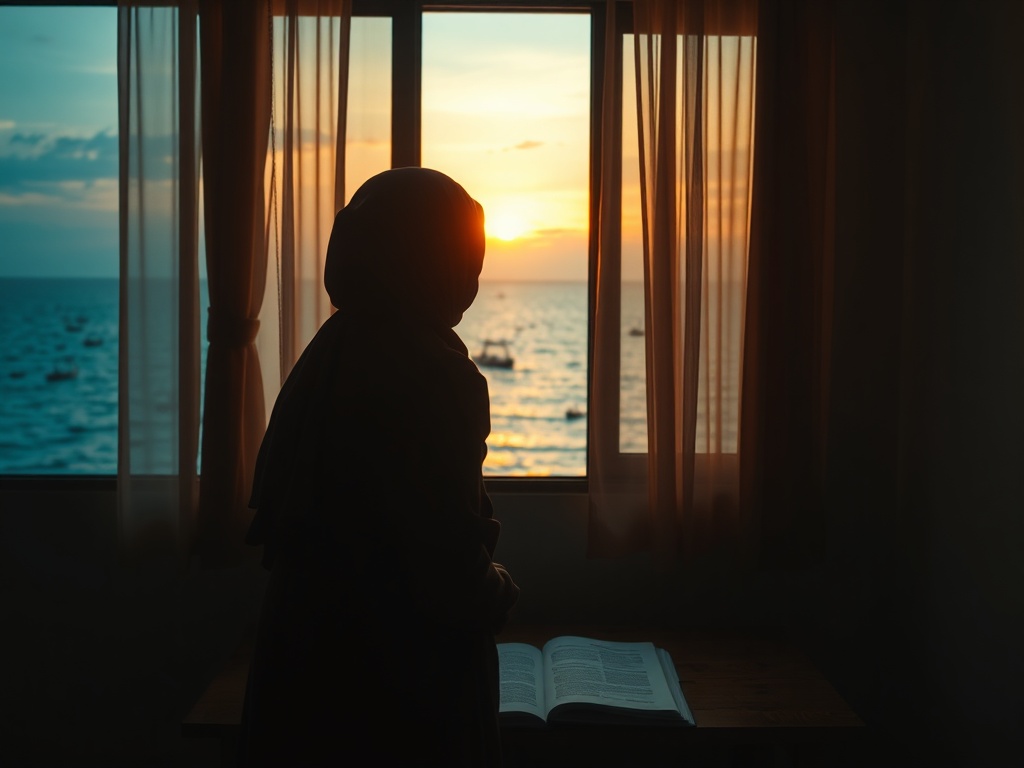
Yet, in the face of this, there is a fierce, quiet resistance. My aunt still makes her famous mas huni for breakfast. The children still do their homework at the kitchen table. Life, in its stubborn, mundane glory, continues. We find our refuge in the rhythms that cannot be so easily disrupted—the call to prayer, the scent of the sea on the evening breeze, the shared silence of a family that understands the assignment without needing to name it. The weight is real, a stone in the pocket of every day, but we are learning to walk without stumbling. The ultimate defiance is not in grand gestures, but in the simple, unyielding act of living.
— Source fragments: Cause he keeps targeting my aunt and my orphan cousins constantly?