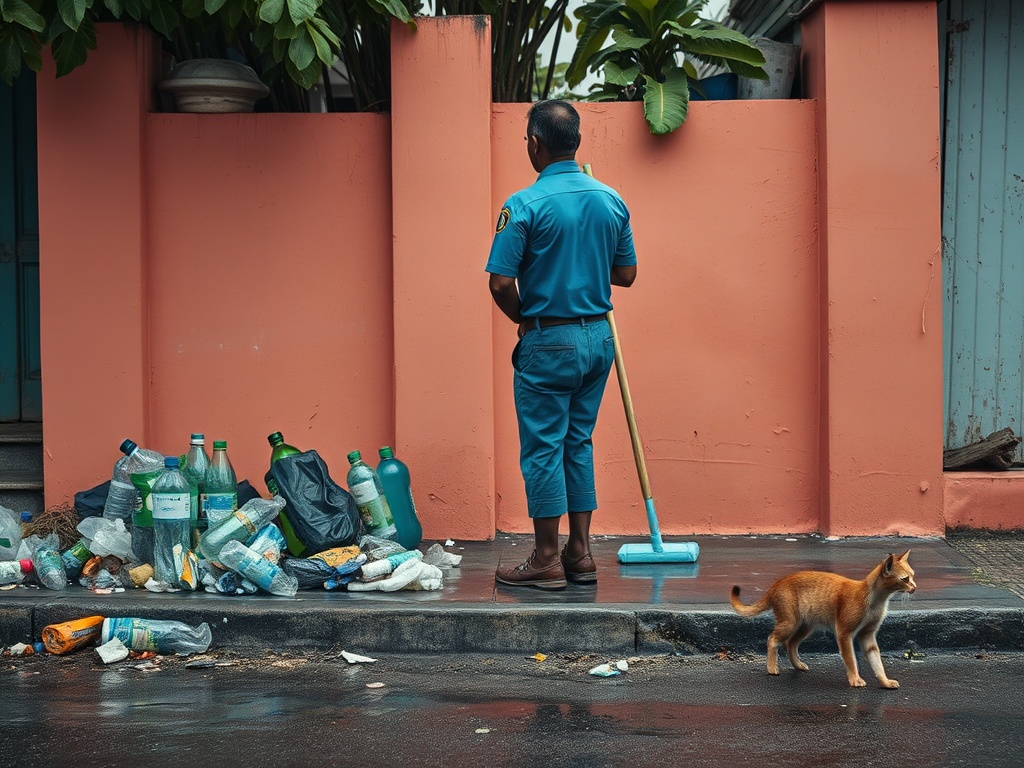
The Plastic Wrapper Dancing in Male's Breeze
The plastic wrapper dancing in the Male' breeze, the cigarette butt resting against a pristine white building corner, the construction debris left for days—these are not just urban eyesores. They are symptoms of a deeper civic disconnect, where the absence of basic infrastructure like street bins becomes a metaphor for broader institutional neglect.
Across the capital, residents express mounting frustration with what they perceive as systemic failures in urban management. The call for more bins isn't merely about waste disposal—it's about creating an environment where civic responsibility can flourish. When infrastructure fails, so does public cooperation. The current situation creates a vicious cycle: without adequate bins, littering becomes normalized, which in turn makes cleanup efforts seem futile.
This frustration extends beyond street corners to questions of institutional accountability. When public funds finance 'exposure trips' for council members while basic services languish, it erodes public trust. The perception that budgets are treated as flexible instruments for personal benefit rather than rigid frameworks for public service creates cynicism that undermines governance at every level.
The recent barge disaster that claimed two lives raises urgent questions about safety protocols and corporate responsibility. When tragedies occur, the public rightly expects transparent investigations and clear accountability—not silence or deflection. Similarly, the sight of uniformed officers smoking in public spaces, captured on camera by observant citizens, speaks to a breakdown in professional standards that should concern everyone.
At the heart of these disparate concerns lies a common thread: the relationship between infrastructure and behavior, between systems and standards. Proper waste management systems, transparent budgeting processes, rigorous safety protocols, and professional conduct codes—these are the foundations upon which public trust is built. When they crumble, so does civic cohesion.
The solution requires moving beyond blaming individuals—whether 'raajethere meeha' or expatriates—and addressing the structural deficiencies that enable problematic behaviors. It demands institutions that function with competence and transparency, and infrastructure that supports rather than hinders civic responsibility. Until then, the plastic will continue to dance in the breeze, and public trust will continue to erode.
— Source fragments: i want bin(s) in every street corner so the raajethere meeha and male meeha would stop littering; Giving money to island councils so councilors can go Thailand for 'exposure' trips? nah, I don't support it at all; Have Maldives ports authority started inquiry into barge disaster? 2 people lost their lives; Also, is police allowed to smoke in uniform? I can see right now many cops smoking with SO uniform on; The real problem is institutional rather than lifestyle I am convinced if there are enough bins and waste collection runs smoothly, people will not throw stuff here and there