The Potato That Never Lies
Growing up, we dismissed the nakay as old people's tales. While politicians argued about shadow governments and foreign influences, our elders would point to the sky, the sea, the subtle shifts in wind that told them when to fish, when to plant, when to prepare for the changing seasons. We rolled our eyes, focused instead on the loud voices on television telling us who to blame for our problems.
But there was one thing I could never explain away. In our backyard, tucked between the concrete wall and the laundry line, grew a peculiar kind of potato we called 'assidha kattala.' It wasn't like the imported potatoes we bought from the store. This one had deep roots in our island soil, literally and metaphorically.
Every year, without fail, on the first day of Assidha in the nakay calendar, tiny green sprouts would push through the dry earth. Not a day earlier, not a day later. While politicians made promises they wouldn't keep and newspapers printed headlines that would be forgotten by next week, this humble potato followed its ancient rhythm with quiet certainty.
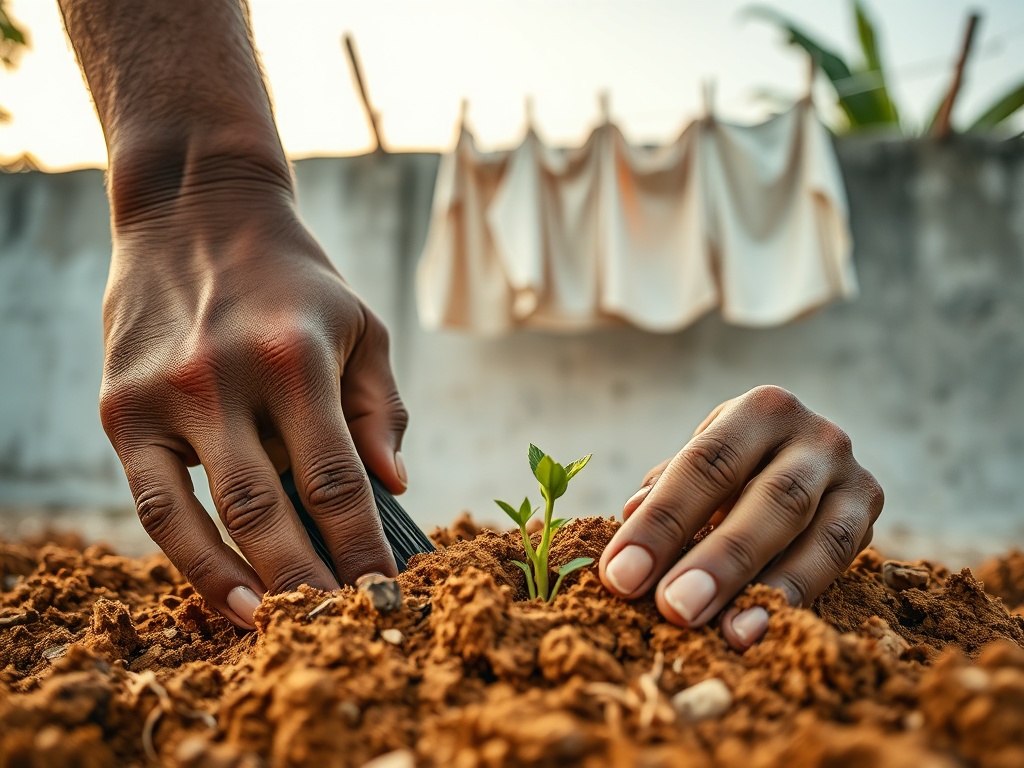
I remember my grandfather checking it each year, his calloused fingers gently brushing the soil away to reveal the first tender shoots. 'See?' he'd say, his voice carrying the weight of generations. 'The earth remembers what we forget.'
Now, when I hear the angry voices predicting doom and division, when I read the heated arguments about who speaks for whom, I find myself thinking of that potato. In a world of shifting alliances and broken promises, there's something deeply comforting about this small, reliable miracle in my backyard. It reminds me that beneath all our human noise, there are older, wiser rhythms still beating—the steady pulse of the islands that raised us, waiting patiently for us to listen again.
— Source fragments: growing up we never thought much about our local nakay calendar. we thought it was old people's tales. but there is one thing i remember clearly. its a kind of potato. it sprouts every nakay year exactly on assidha day 1. some call it "assidha kattala". it never failed.