The Price of Authenticity
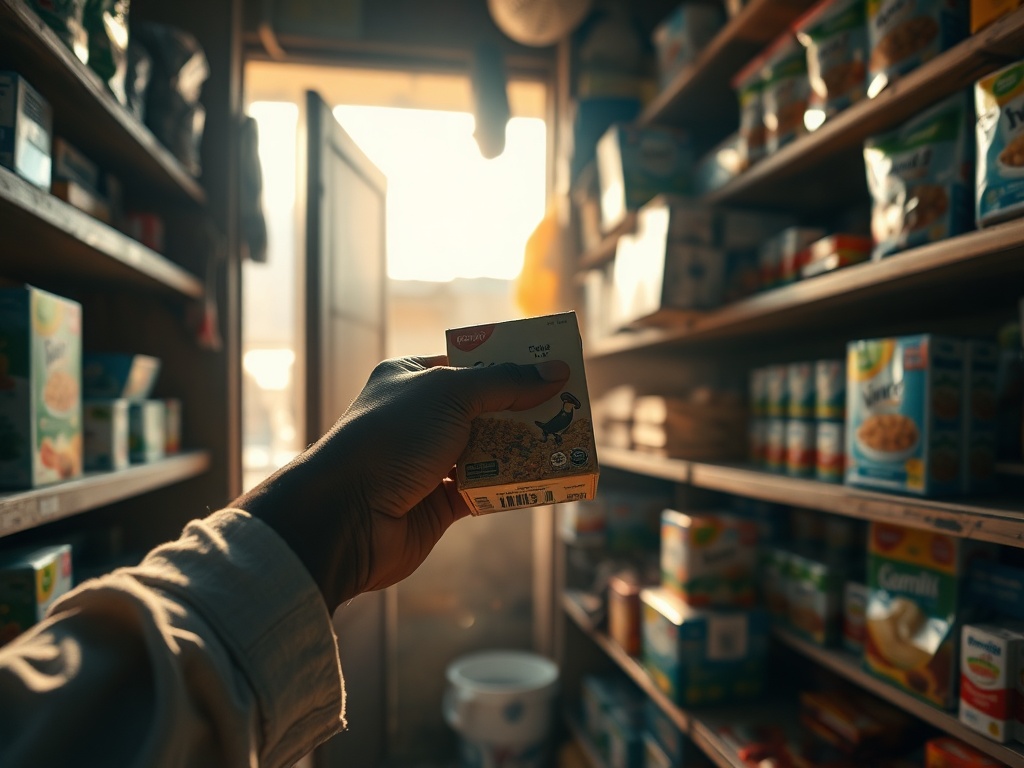
The afternoon sun beat down on the tin roofs of Malé, the heat rising in visible waves that distorted the narrow streets. In a small corner shop, my fingers traced the cardboard edge of a cereal box—ninety rufiyaa for something that should feed a child's morning. The number echoed in the cramped space, a stark reminder of how everything had its price now.
Outside, the political chatter continued unabated, voices rising and falling like the tide. 'India Out' slogans mixed with debates about military personnel, the same arguments reheated like yesterday's rice. Yet amid this noise, another voice cut through—a quiet insistence that authenticity cannot be copied. The words lingered like salt on the sea breeze.
I thought about the musicians claiming songs they didn't write, the politicians making promises they wouldn't keep, the whole performance of being someone you're not. On this island where the ocean reminds us daily of both our isolation and connection, we'd built our own walls—of imitation, of borrowed identities, of pretending the rising cost of living didn't keep us awake at night.
But the sea doesn't pretend. It is what it is—sometimes calm, sometimes raging, always authentic. The fisherman mending his net on the harbor wall doesn't pretend the net is whole when it's torn. The woman selling bodu beru in the market doesn't claim her voice is something it's not. There's a dignity in this honesty, a resilience that survives even when ninety rufiyaa feels like too much for too little.
Perhaps in this age of memes and manufactured outrage, the most radical act is simply being yourself—not the version others want, not the persona that gets likes, but the person who looks at the rising prices and doesn't look away, who hears the political noise and still listens for truth, who knows that some things, like the ocean's horizon, remain uncopyable.
— Source fragments: "authenticity cannot be copied", "Those whole grain little boxes are 90rf"