The Price of Progress
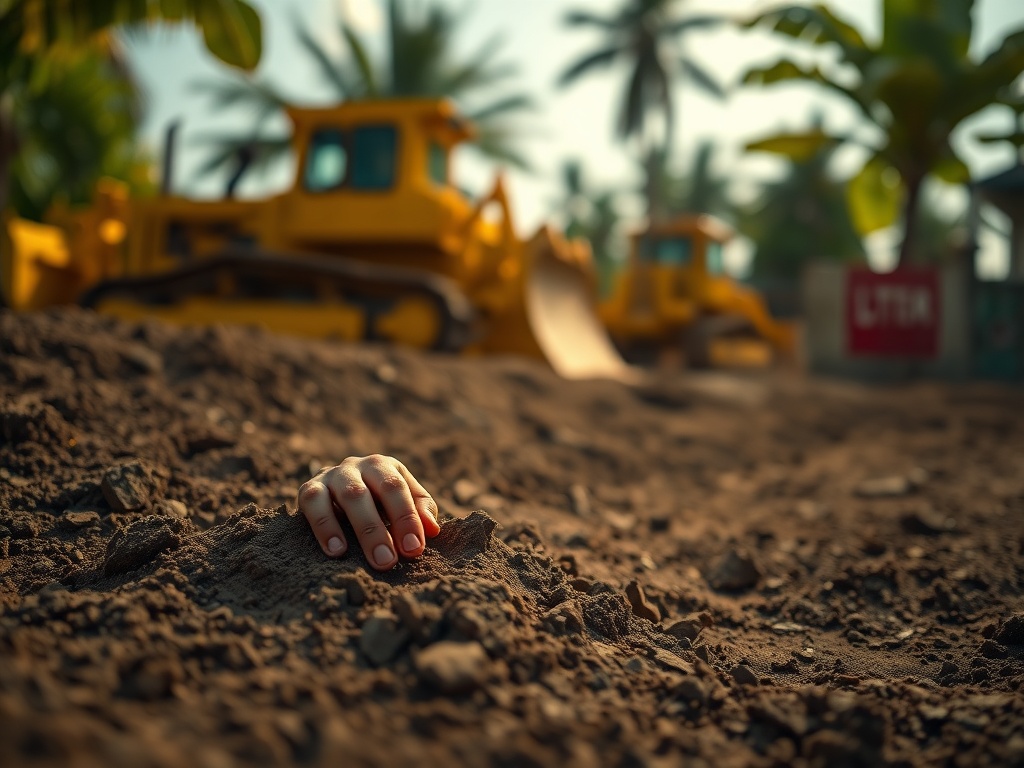
The morning sun catches the dust motes dancing in the air as the first backhoe growls to life. From my window, I watch the men in hard hats gather around a patch of land where the breadfruit trees used to stand. The government has promised to pave this island, they say—to bring progress, development, a better life. But I remember when that land was something else entirely.
It wasn't just empty space. It was where the rainwater collected during the monsoon, creating temporary pools that the herons would visit at dawn. It was where the children would chase dragonflies after school, their laughter carrying across the neighborhood. It was part of a natural drainage system that had worked perfectly for generations, keeping our homes dry during heavy rains.
Now they tell us this puddle is a problem that requires concrete solutions. They speak of contracts and kickbacks in hushed tones at the coffee shop, while we look at the drawings of what our island will become—smooth, gray, and uniform. The same politicians who once promised to protect our way of life now measure progress in square meters of pavement.
What they don't understand is that development isn't just about covering the earth with concrete. It's about understanding the subtle balance that has sustained us here for centuries—the way the air moves between the trees, the way water finds its path to the sea, the countless small creatures that call this place home. When we disrupt these systems for the sake of visible progress, we're not just changing the landscape; we're changing something fundamental about how we relate to this fragile archipelago we call home.
The real tragedy isn't the loss of green space—it's the twisted definition of quality life that makes us believe that natural is inadequate, that wild is wasteful, that only what humans build has value. As the machinery begins its work, I wonder what stories this paved ground will tell our grandchildren. Will they ever know the scent of wet earth after rain, or the sight of morning dew on spiderwebs between the bushes? Or will they only know the heat radiating from concrete and the sound of their own footsteps echoing back at them?
— Source fragments: Right now, a puddle could be a reason for migration. Next election, government will promise to pave this island, disrupting natural drainage systems