The Private Sector That Isn't in the Newspapers
The question hangs in the salty air like the persistent humidity before a storm: what exactly is this 'private sector' we keep hearing will save our economy? It's not the newspapers, someone notes with weary cynicism. It's certainly not the political promises that echo through the narrow streets of Malé, growing fainter with each passing administration.
There's a particular kind of frustration that comes from watching economic policies unfold like a poorly written play. The generation ban—whatever its intentions—feels like trying to stop a monsoon with a palm frond when the real storms rage elsewhere. Meanwhile, shopkeepers become unwitting actors in a drama they never auditioned for, caught between policy and the stark reality of what customers actually want.
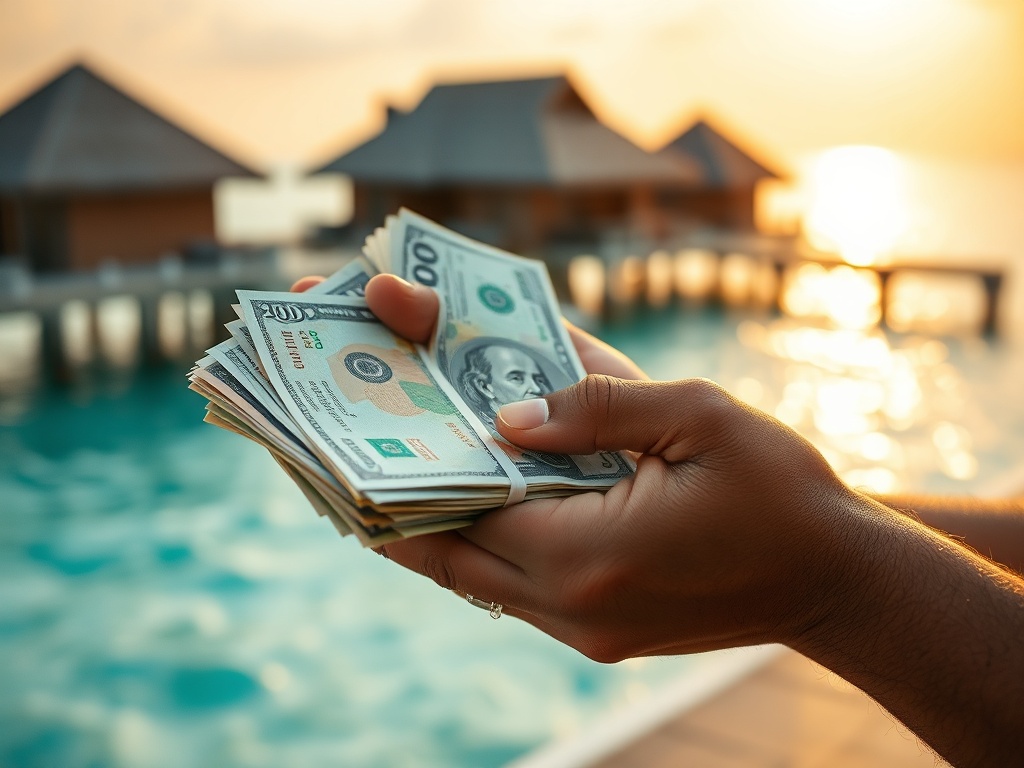
But the most telling detail emerges in the currency exchange—the forced conversion that sounds reasonable in ministry offices but feels entirely different in workers' hands. When resorts pay in rufiyaa instead of dollars, it's not just numbers on a payslip. It's the difference between being able to save something tangible and watching your earnings evaporate like morning mist on the lagoon. The resorts themselves become trapped in this dance, accumulating local currency they can't use, forced to participate in an economic fiction.
What emerges is a portrait of an economy where the connections have been severed. The tourism dollars flow in but don't circulate where they're needed most. The policies are written but don't account for the man trying to feed his family or the woman saving for her children's education. We've been talking about diversification for fifty years, someone observes, and the truth of that statement hangs heavy in the air.
The real private sector isn't the abstract concept discussed in parliament. It's the fisherman who can't afford diesel, the shopkeeper watching customers count coins, the construction worker sending money home to Bangladesh while his Maldivian counterpart wonders why opportunities feel so scarce. Until our economic conversations include these voices—until policies are measured by their impact on actual lives rather than political calculations—we'll remain adrift in waters we should be navigating.
— Source fragments: What is the 'private sector' that matters to our economy? It certainly aren't the news papers; even in the forced usd policy it's the maldivian workers suffering because they're being paid in ruffiya now instead of dollars; wrong angle. why does the resorts have mvr to pay workers in mvr in the first place?; Yes, our economy needs diversification , we've been saying that for 50 years