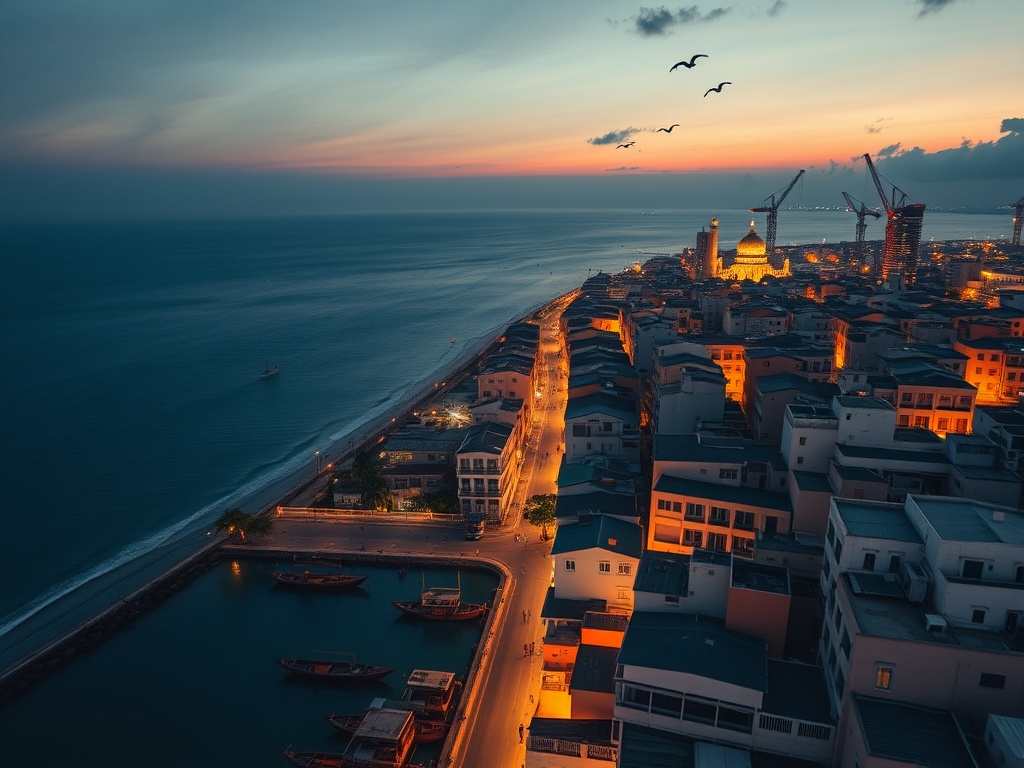
The Question Whispered in Malé's Tea Shops: "Will He Survive November?"
In the quiet moments between political rallies and parliamentary debates, a question hangs in the humid Maldivian air, whispered in tea shops and murmured on social media feeds: "Will he survive November?" This seemingly simple inquiry carries the weight of a nation's collective anxiety, reflecting the precarious balance of power that defines contemporary Maldives.
Across the archipelago, from the congested streets of Malé to the outer atolls, citizens watch the political theater unfold with a mixture of apprehension and resignation. The question isn't merely about individual political survival but speaks to the fragile stability of a system grappling with multiple crises simultaneously. With high-profile corruption cases making headlines and former presidents facing charges, the political landscape resembles shifting sands rather than solid ground.
The sentiment behind the question reveals a deeper truth about Maldivian political culture—the understanding that leadership tenures are often as volatile as the monsoon winds. The "good feeling" expressed by some observers represents not blind optimism but rather the complex calculus of patronage networks, party alliances, and public sentiment that determines political longevity.
This uncertainty extends beyond the political sphere into the daily lives of Maldivians. As the nation faces a housing crisis in the capital, with subsidized flats becoming political currency, and healthcare systems straining under the weight of medicine shortages and insurance abuses, the question of who leads becomes intertwined with questions of basic survival. The youth, facing unemployment and limited opportunities, watch the political drama unfold while wondering about their own futures.
Meanwhile, the economic underpinnings of the nation remain precarious. With tourism dollars often parked abroad by resort owners and expatriate remittances draining foreign currency reserves, the stability of any administration rests on managing these systemic challenges. The "India Out" campaign and foreign relations tensions add another layer of complexity to governance.
As November approaches, the question takes on greater urgency. Will the current political configuration withstand the pressures of debt, governance challenges, and public expectation? Or will the winds of change sweep through the atolls once more? The answer matters not just for those in power but for every Maldivian navigating the turbulent waters of national transformation.
— Source fragments: will he survive november? I have a good feeling