The real beauty of Maldives is on uninhabited islands
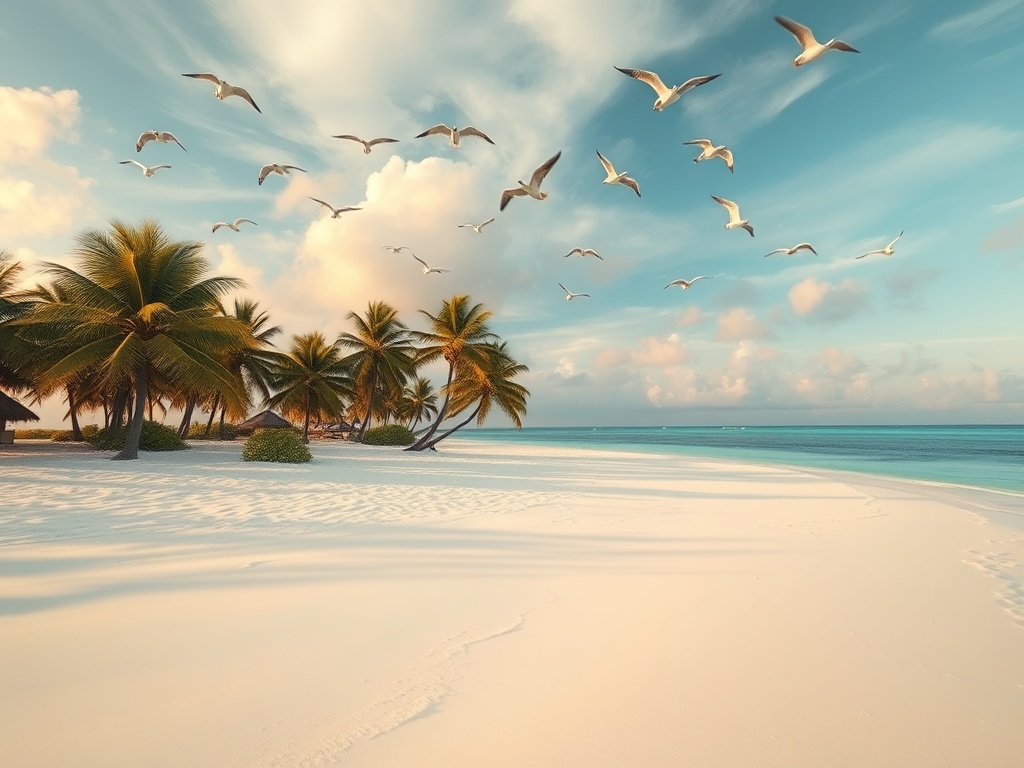
There’s a certain magic that happens when you step ashore on an uninhabited island, far from the hum of generators and the clutter of daily life. The first thing that strikes you is the silence—not an empty silence, but one filled with the rustle of coconut palms and the distant cry of seabirds. The sand beneath your feet is so fine and white it feels like walking on clouds, and the turquoise water laps gently at the shore, clear enough to see small fish darting among the coral fragments.
As Maldivians, we grew up with these islands as our playgrounds and sanctuaries. They are the places where we learned to swim, where families gathered for picnics during school holidays, and where fishermen would take shelter during storms. These islands are not just beautiful; they are integral to our identity. They remind us of a time before guesthouses and mass tourism, when the rhythm of life was dictated by the monsoon winds and the call to prayer from the local mosque.
The beauty of these untouched places goes beyond the visual spectacle. It’s in the feeling of solitude and peace, the sense that you are standing on land that has remained largely unchanged for centuries. The coconut trees sway in the breeze, their fronds whispering stories of generations past. The birds—terns, herons, and sometimes even the rare white tern—nest undisturbed in the bushes, their presence a testament to the island’s purity.
In a nation where over 40% of citizens are crammed into Malé’s two square kilometers, these uninhabited islands offer a breath of fresh air, both literally and metaphorically. They are a reminder of the natural wealth that defines our archipelago, a wealth that exists independently of the resort islands with their imported luxuries and segregated lifestyles. While the tourism economy relies on those leased enclaves, the soul of the Maldives resides in these untouched sanctuaries.
Yet, this beauty is fragile. As development pressures increase and foreign labor fuels construction across the islands, the threat to these pristine spaces grows. The very exclusivity that once protected them is now being eroded by mass-market tourism models that prioritize accessibility over preservation. We must ask ourselves: how long can these islands remain uninhibited in the face of economic demand and environmental strain?
Still, there is hope. The love that Maldivians feel for these places runs deep. It’s a connection forged in childhood memories and cultural heritage, one that transcends political divisions and economic anxieties. As we navigate the challenges of unemployment, housing shortages, and foreign military presence, these islands stand as silent witnesses to our resilience. They are not just postcard-perfect landscapes; they are the heart of who we are.
Perhaps that instant love visitors feel is really a glimpse into our own relationship with the land and sea. It’s a recognition of something pure and unchanging in a world that often feels increasingly complicated. In protecting these islands, we are not just preserving natural beauty; we are safeguarding a fundamental part of our national soul.