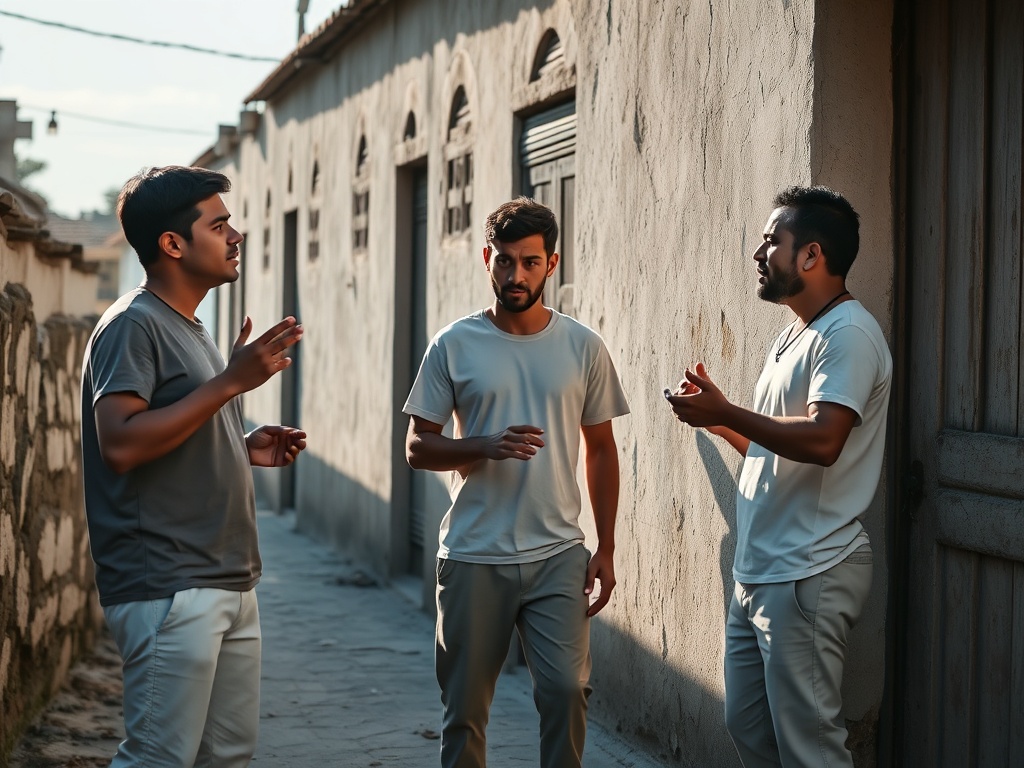
The same people who built this mess can’t be the ones to fix it.
In the narrow streets of Malé, where political conversations echo from tea shops to ferry terminals, a troubling question hangs in the humid air: can those who created our current crises truly be trusted to solve them? This isn't just about switching between MDP and PNC banners every few years. It's about whether we're trapped in a cycle where the architects of our problems keep presenting themselves as the solution.
The sentiment reflects a deeper disillusionment with our political system. When the same faces rotate through power, implementing similar policies with minor variations, citizens naturally wonder if real change is possible. The system seems designed to maintain certain interests while giving the appearance of democratic choice. When corruption allegations surface or development projects stall, the public sees familiar patterns repeating regardless of which party holds the majority.
This pattern raises fundamental questions about accountability. If those who designed flawed systems remain in charge of fixing them, what incentive do they have to address root causes? The very structures that benefit certain political classes might be precisely what needs dismantling for genuine progress.
Many Maldivians now question whether our political landscape offers true alternatives or merely different packaging for similar governance approaches. The frustration isn't just about specific policies but about the entire political ecosystem that seems resistant to meaningful transformation.
The solution might lie not in waiting for existing parties to reform themselves, but in creating space for new voices and mechanisms that prioritize public interest over political survival. The recently announced e-petition system represents one such opportunity for citizens to bypass traditional political channels and voice concerns directly.
Yet even these new mechanisms risk being co-opted unless accompanied by broader cultural shifts in how we engage with politics. It requires moving beyond tribal loyalties to issue-based voting, demanding transparency, and holding all parties to higher standards of governance.
As we approach another political season, with talk of reserved flight seats and party mobilizations, the core issue remains: are we participating in meaningful political change or merely watching the same play with different actors? The answer might determine whether we break the cycle or remain trapped in it.