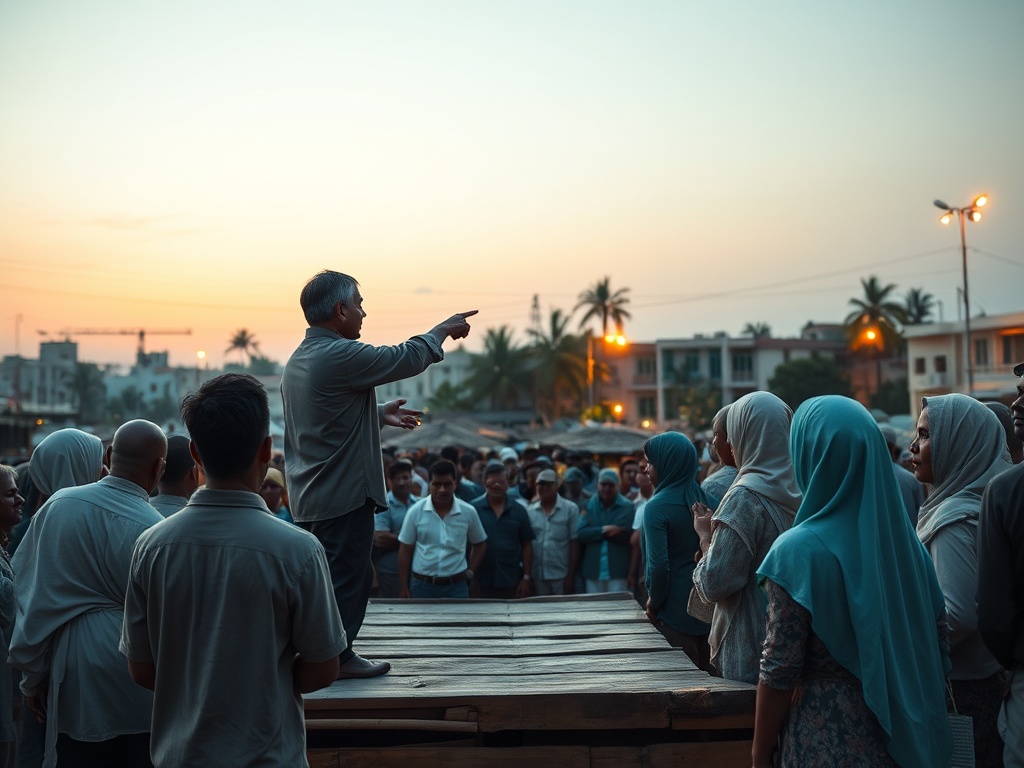
The Same Political Script, Just Different Actors on Stage
The political theater in Maldives has become a familiar spectacle. The actors change costumes, the stage directions shift slightly, but the underlying script remains remarkably consistent. Across social media platforms and coffee shops in Malé, a weary recognition has settled among citizens: the political class operates by its own rules, regardless of which party holds power.
This disillusionment cuts across generational lines. The absence of younger faces in political leadership has become particularly noticeable, creating a governance gap that separates decision-makers from the demographic realities of the nation. When political discourse becomes dominated by figures well past their forties, it raises questions about representation and relevance in a country where youth issues—from unemployment to drug addiction—demand urgent attention.
The political dynamic often reduces to a finger-pointing exercise where each side claims moral superiority while practicing similar tactics. Opposition figures criticize government projects as politically motivated, while government defenders highlight previous administrations' shortcomings. This circular debate leaves citizens divided, defending political tribes while the fundamental issues—housing shortages, healthcare inadequacies, and economic pressures—persist unchanged.
What emerges from this pattern is a growing sentiment that the system itself may be the problem. The notion that change must come from within existing party structures is being challenged by those who see both major political blocs as part of the same establishment. The recent emergence of alternative political voices reflects this frustration, though their ability to break the duopoly remains uncertain.
The machinery of governance continues regardless. New projects are announced, political appointments are made, and the apparatus of state moves forward. Yet many citizens question whether these initiatives address their most pressing concerns or simply serve to maintain the political status quo. The disconnect between official priorities and public needs has become a defining feature of the political landscape.
As the next electoral contest approaches, the fundamental question remains whether Maldives' democracy can evolve beyond its current limitations. The challenge isn't merely about changing leadership but transforming a system where political competition often feels like different players taking turns at the same game—while the rules remain written to serve the players rather than the spectators who are, ultimately, the citizens themselves.
— Source fragments: Political finger-pointing and citizen division; Age gap in political leadership; Criticism of both government and opposition figures; Skepticism about political change within existing systems; Discussion of alternative political options