The Same Sea, Different Currents
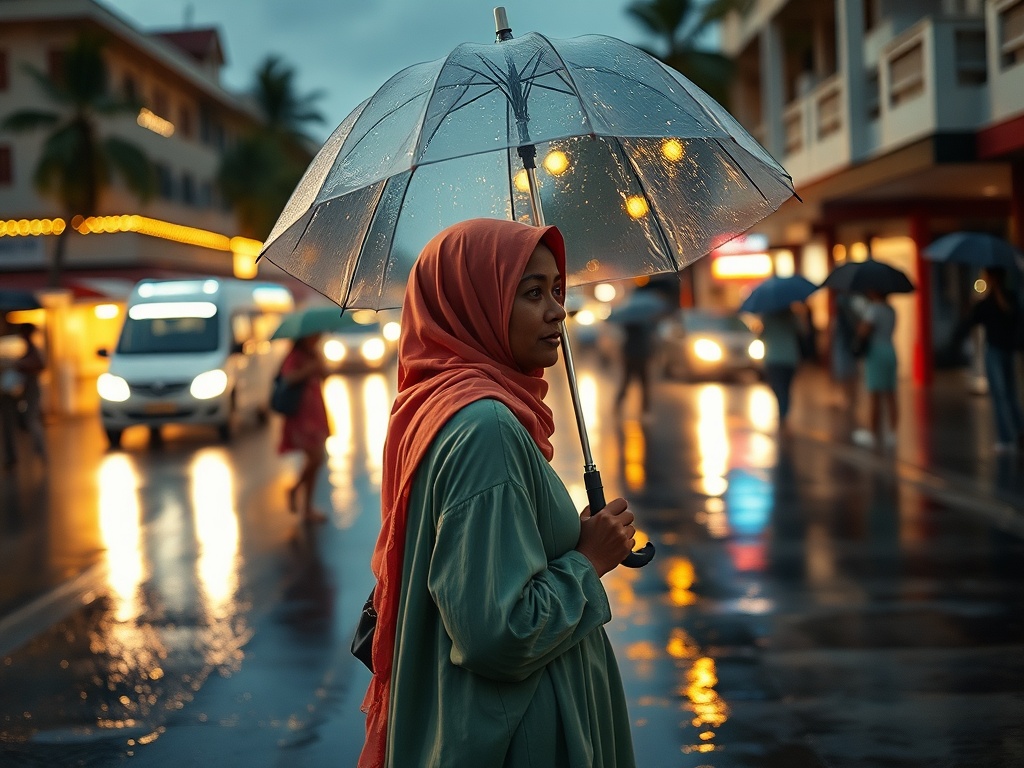
The announcement comes through on the phone screen, glowing with flags and declarations of brotherhood spanning decades. Outside, the rain has started again, slicking the narrow streets of Malé. A teacher, waiting for a ferry that is, as usual, delayed, reads it and sighs. The grand narrative of international solidarity feels distant, like a broadcast from another world.
Here, the realities are more immediate. The cost of a bag of rice has climbed again. The queue at the pharmacy is long, and the whispers say the needed medicine isn't in stock. In a cramped flat, a family of six listens to the rain drum on the corrugated roof, the promise of a government housing project feeling as distant as the diplomatic celebrations. The expatriate workers, who fill the construction sites and shops, are a constant, quiet reminder of the competition for space and livelihood.
There is a weariness that has settled in, a weight that has little to do with the humid air. It’s the fatigue of navigating a system where opportunities seem reserved for the connected, where the courts are seen as political instruments, and where the national debt is a ghost haunting every new policy. The resorts, those glittering islands of foreign currency, feel like a separate country altogether, their profits sailing away to other shores.
Yet, in the evening, when the yellow lights of the market stalls flicker on, life persists. There is a stubborn warmth in the shared glance between neighbors, a dry humor in the jokes about the ‘non-working’ staff in overstaffed ministries. It is not the fiery hope of manifestos, but the quiet, ironic persistence of people who have seen many tides come and go. They build their lives not on the grand promises of a shared future elsewhere, but on the small, solidarities of a shared present right here, in the same sea, watching the same currents shift.