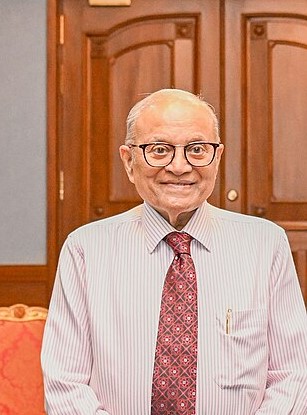
The Scholar Who Built a Nation
In the quiet corners of Maldivian memory, there exists the image of a man who carried himself not with the bluster of power, but with the measured grace of a scholar. President Maumoon Abdul Gayoom's voice was rarely raised, yet his words carried the weight of deep learning and contemplation. He moved through the corridors of power as if they were library halls, his decisions tempered by academic rigor rather than political impulse.
What made his leadership unique was this fusion of intellectual depth with national vision. When he initiated the basic education program that would become the foundation of modern Maldivian schooling, he wasn't just implementing policy—he was building a nation's future classroom by classroom, island by island. The program wasn't flashy or revolutionary in its announcement, but in its execution, it became revolutionary in its impact.
I remember visiting schools during those early years and seeing how education transformed from privilege to right. The soft-spoken academic had understood something fundamental: that a nation's strength lies not in its military or economy alone, but in the minds of its children. His legacy lives in the teachers who carry forward his vision, in the students who now take education for granted, and in the quiet dignity with which public service can be conducted.
There's a particular Maldivian quality to leadership that values substance over spectacle, and President Maumoon embodied this perfectly. In a region often dominated by charismatic strongmen, he remained the professor-president, his achievements speaking louder than any rallying cry could. The classrooms he built now echo with the voices of generations he helped educate, each lesson a quiet tribute to the scholar who believed a nation's greatest resource was its people's potential.
— Source fragments: president Maumoon was a good man. he was a scholar. soft spoken academic. he started basic education program. the modern one