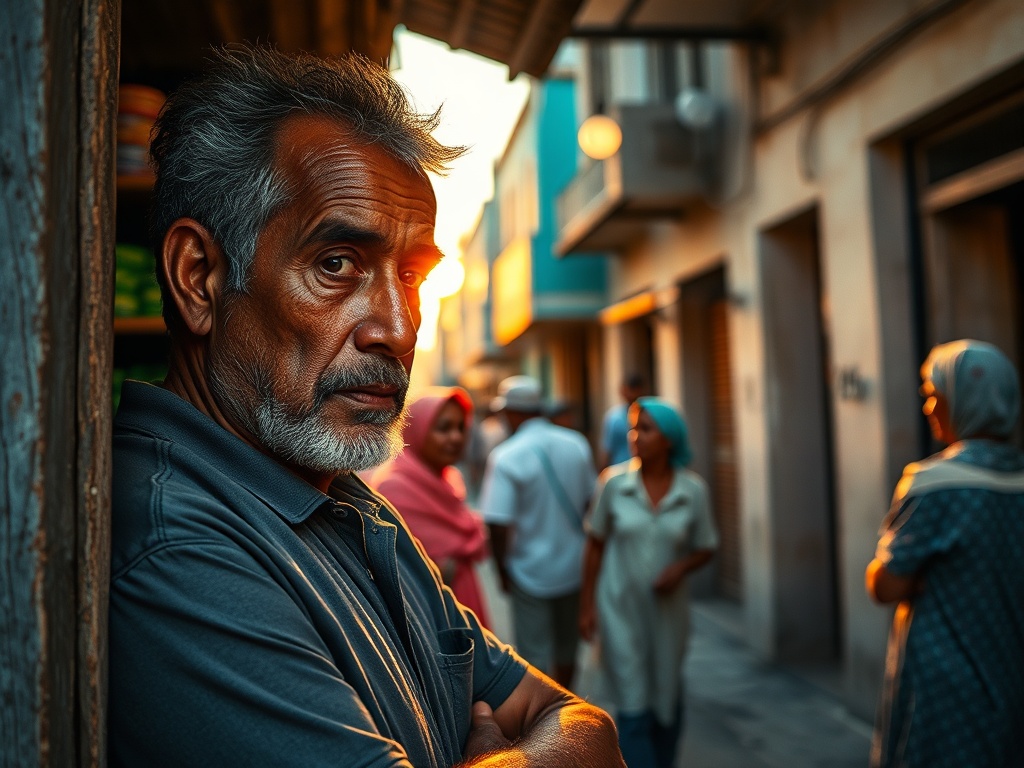
The Shopkeeper Watching Policy Papers Meet Pavement
The question hangs in the humid air, as tangible as the salt spray from the Indian Ocean: what truly constitutes the 'private sector' that matters to our economy? It's a query that echoes through crowded Malé streets and across resort islands, where policy papers meet pavement.
There's a growing sense that the architects of economic measures operate in chambers far removed from the daily realities of shopkeepers counting rufiyaa, of workers receiving local currency while their expenses increasingly demand foreign notes. The disconnect feels like watching a storm approach from a sheltered lagoon—you can see the dark clouds gathering, but you're powerless to change their course.
When regulations shift and policies pivot, it's the ordinary Maldivian who navigates the aftermath. The worker paid in rufiyaa while their family's needs stretch across currency boundaries. The small business owner caught between government mandates and market realities. These aren't abstract economic concepts—they're the rhythm of daily life disrupted.
Fifty years of talking about diversification while watching the same patterns repeat. The frustration isn't just about specific policies but about the feeling that those making decisions don't understand the intricate dance of survival that plays out in local shops, on fishing boats, in family homes. It's the space between what should work on paper and what actually works when the sun beats down on coral stone buildings and the sea breeze carries both hope and resignation.
Economic measures become personal when they determine whether a family can afford medicine during shortages, whether a young person sees a future worth staying for, whether the dream of a stable life remains within reach. The real private sector isn't just the resorts and major businesses—it's every transaction, every livelihood, every silent calculation made in the shadow of policies that feel distant and disconnected from the lives they're meant to improve.
— Source fragments: What is the 'private sector' that matters to our economy; Its not fair and they have no clue to fix this mess; maldivian workers suffering because they're being paid in ruffiya now instead of dollars; why does the resorts have mvr to pay workers in mvr in the first place; our economy needs diversification, we've been saying that for 50 years