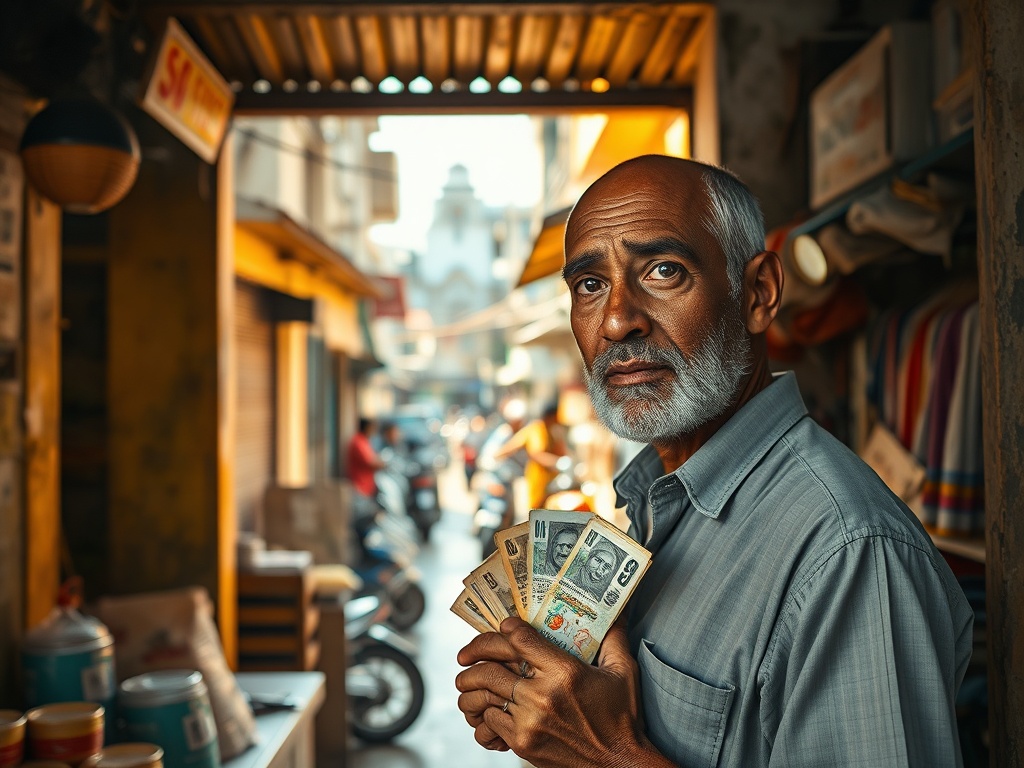
The Shopkeeper Weighing the Customer
The question hangs in the salty Male' air, thick as the humidity before a storm: what truly constitutes the 'private sector' that matters to our economy? It's not the newspapers, as one voice notes with weary cynicism. It's something more fundamental, more visceral—the shopkeeper weighing a customer's request against a new regulation, the resort worker counting rufiyaa that doesn't stretch as far as it used to, the family wondering how to send money to a relative abroad when caps tighten.
There's a palpable sense of unfairness, a feeling that those steering the ship have 'no clue to fix this mess.' The frustration isn't abstract; it's in the details. When a 'generation ban' is debated, the immediate thought isn't about grand policy, but the practical reality: what stops a shopkeeper from selling to a paying customer when more serious transgressions occur in broad daylight? Policy feels disconnected from the street, a theoretical solution to a problem it doesn't fully grasp.
The economic mechanics are a tangled net. The forced USD policy, intended to stabilize, instead reveals another layer of complexity. Maldivian workers find themselves paid in rufiyaa while the resorts they serve operate in dollars. The question isn't just who gets paid in what currency, but why resorts are forced to buy rufiyaa at 'an imaginary rate' in the first place. This creates a shadow economy of its own, where the black market becomes a necessary, if loss-making, outlet. The system seems to punish those operating within it.
This is the currency of our discontent—not just money, but trust, fairness, and a shared sense of direction. For fifty years, we've spoken of diversification, yet the conversation remains the same. The economy isn't just charts and percentages; it's the weight of a wallet at the end of a long day, the calculation a mother makes at the fish market, the quiet anxiety of a worker watching exchange rates. It's the lived experience in the space between policy and the pavement, where the real private sector—the people—bears the cost of the mess.
— Source fragments: What is the 'private sector' that matters to our economy?; Its not fair and it looks like they have no clue to fix this mess; generation ban is a useless woke policy; what will prevent a shop keeper from selling cigarettes; even in the forced usd policy it's the maldivian workers suffering; why does the resorts have mvr to pay workers in mvr in the first place?; our economy needs diversification , we've been saying that for 50 years