The Slow Weakening of Our Currency
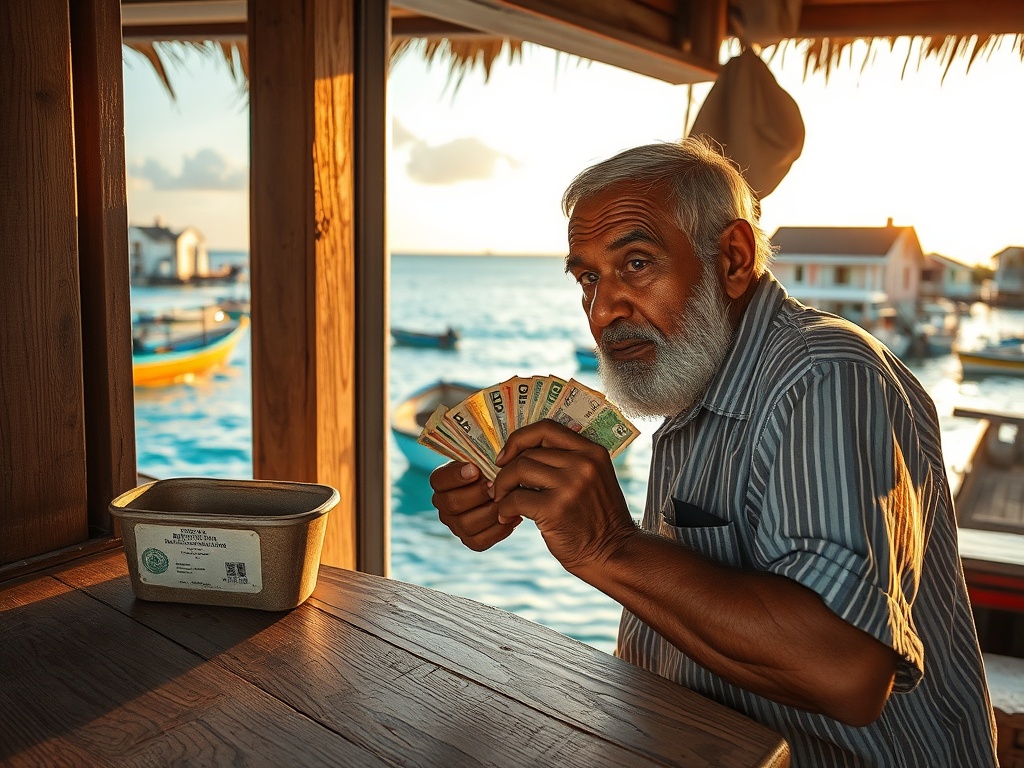
It happens quietly, almost imperceptibly at first. A few extra rufiyaa for the week's groceries. The fish that costs what chicken did last monsoon. The slow drip of currency weakening isn't a sudden storm that lashes against our shores—it's the gradual rising of the tide, inch by inch, until one day we find ourselves standing in water up to our knees.
I remember my grandfather counting out crisp blue notes for our Eid clothes, the same amount that now barely covers a single school uniform. Back then, the rufiyaa felt solid in your hand, like the coral stone walls of our old house. Now it slips through our fingers like sand at low tide.
They say it happened impulsively, these political decisions made in distant offices while we were busy mending nets, teaching children, preparing the evening meal. Each small adjustment—printing more money here, adjusting exchange rates there—seemed insignificant in isolation. But like the relentless lap of waves against a seawall, the cumulative effect has worn us down.
At the local shop, Ahmed uncle no longer bothers changing his price tags daily. He just rounds up, his eyes apologetic as he hands back smaller change. The fishermen talk less about their catch and more about the price of diesel. The young couple putting aside money for their wedding finds their savings buying less each month.
This slow erosion isn't just about numbers on a screen or political debates in coffee shops. It's in the extra hours our sons work on construction sites, the careful calculations mothers make at the market, the dreams that get scaled down to fit shrinking realities. The sea around us remains constant in its rhythm, but the value of what we earn from it diminishes with each passing season.
We adapt, as Maldivians always have. We find ways to stretch, to share, to make do. But sometimes, watching the sunset paint the Indian Ocean gold, I wonder about the true cost of these gradual decisions—not measured in currency fluctuations, but in the quiet compromises of a people watching their foundation slowly wash away.
— Source fragments: weakening our currency is one of the biggest mistakes of our politicians. but it happened over time. almost impulsively.