The Stories We Carry in Our Coral
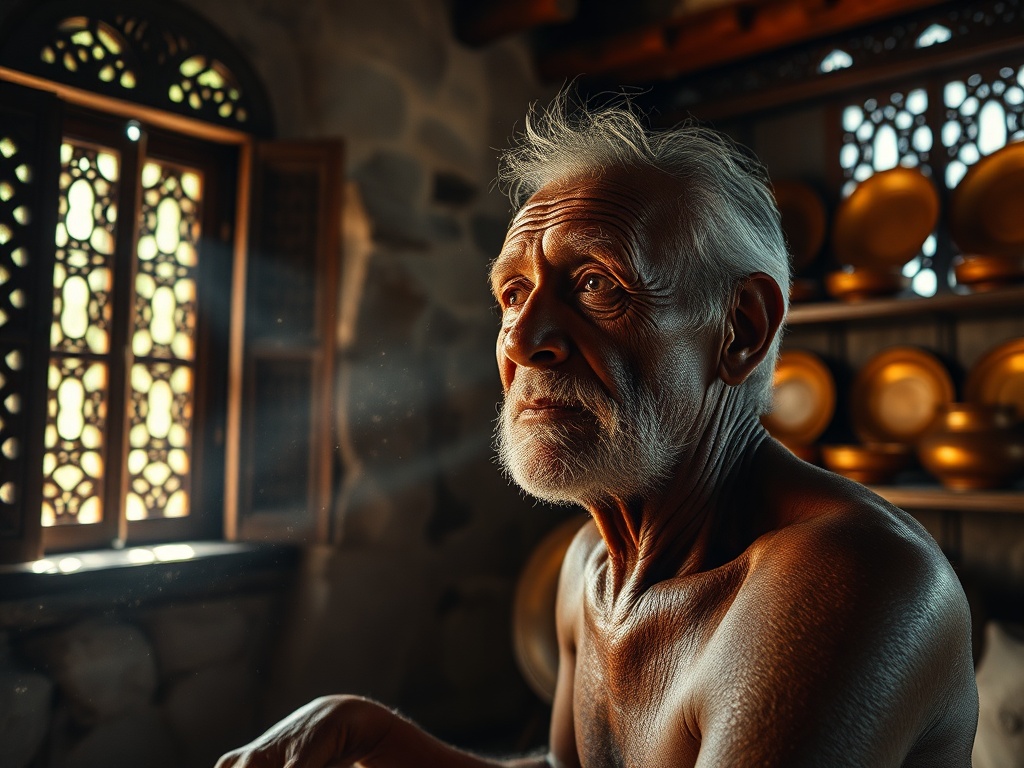
I remember sitting in my grandfather's house, the afternoon light filtering through the wooden lattice windows, catching dust motes dancing in the humid air. He would speak of the old times not as history lessons, but as stories carried in the salt air, embedded in the coral stone walls that have witnessed centuries pass.
The copperplate loamaafaanu that recorded our past weren't just administrative documents—they were testaments to a society that understood its own sovereignty long before foreign scholars arrived with their theories. The weight of those coral stone Buddhas our ancestors built speaks not of patronage from distant lands, but of a people who mastered their environment, who traded cowrie shells across oceans and used that wealth to create something enduring.
There's a particular quality to small island societies—the way everyone knows everyone, the unspoken understandings that bind communities together across scattered atolls. This closeness creates a different kind of historical record, one written not in grand narratives but in the shared memories of generations living on the same patch of land surrounded by endless sea.
When I look at the old coral mosques, at the intricate stonework that has withstood monsoon seasons and tropical storms, I see the same hands that carved those ancient Buddhas. The continuity isn't in the religion but in the craftsmanship, in the understanding of materials, in the patience required to build something that lasts.
The sea has always been our first teacher—it taught us navigation, trade, resilience. It taught us that while we might be small islands, we were never isolated. The trade routes that brought clay pottery also brought ideas, but they didn't define us. We absorbed what was useful, discarded what wasn't, and remained fundamentally ourselves.
Perhaps what makes us special isn't some exotic origin story crafted to fit academic theories, but the simple, profound fact of our continuity. The same breezes that cooled my grandfather's face as he told these stories now cool mine. The same stars that guided ancient dhoni sailors still shine above our islands tonight.
Our history isn't something to be discovered in foreign archives or constructed to fit continental narratives. It's written in the coral, carried in the stories, and lived every day in the rhythm of island life—a rhythm that has persisted through conversion, through trade, through everything except the loss of who we know ourselves to be.
— Source fragments: Loamaafaanu's are probably correct; story of atolls each ruling by themselves is utter bs; we were a cowrie shell farming society; excess wealth is the reason why our forefathers were able to build impressive coral stone Buddhas; population was very low and remained low; society would be close-knit and harmonious; We are actually very special; raajje as a sovereign entity indeed is much older than 'india'