The Stories We Tell Ourselves: Reclaiming Our History from Foreign Narratives
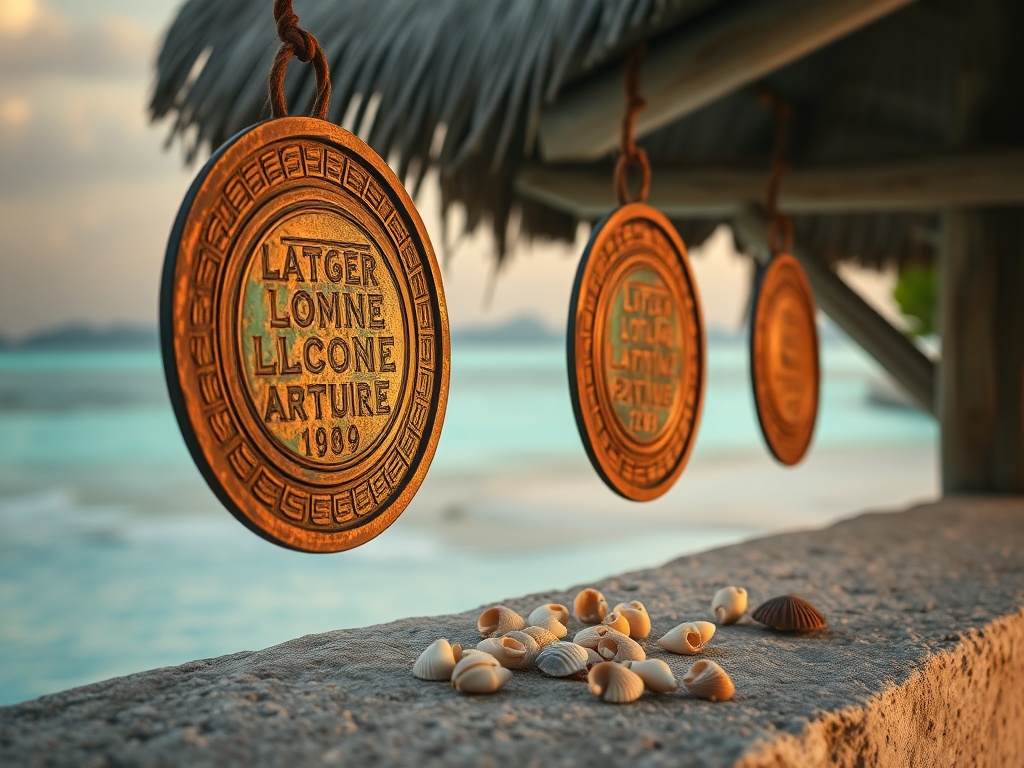
The copper plates of the Loamaafaanu feel cool and certain in my hands, their inscriptions telling stories of kings who summoned monks to Malé, of royal authority that stretched across these scattered islands. I think of those Buddhist monks traveling across turquoise waters, called to the capital not as independent rulers of sovereign atolls, but as subjects answering a king's command. The narrative of fragmented island kingdoms begins to dissolve like salt in seawater.
Foreign scholars point to words like 'pandiyaaru' as evidence of distant connections, but every society had judges, every civilization developed systems of justice. The stretching of linguistic threads to weave foreign narratives feels like watching someone try to map constellations they've never seen from our southern skies.
What they truly miss is the economic reality that built our ancestors' world. We were a cowrie shell society, harvesting these small treasures that became currency across oceans. The wealth that flowed from this trade wasn't tribute or patronage—it was earned. It was the excess of this maritime economy that allowed our forefathers to carve Buddhas from coral stone, to build infrastructure that still whispers of their ambition.
When societies have surplus, they create. Ours was no different. The low population meant communities were intimate, relationships woven tight as fishnets. The harmony wasn't mythical—it was practical necessity in a world where every person mattered.
Some local historians, eager for foreign approval, repeated these imported narratives until they sounded like truth. But the admission that much was based on folklore reveals the fragile foundation of these claims. It's not hatred of neighbors that drives this skepticism, but a desire for accuracy—for stories that reflect the reality of how wealth from our seas built our civilization, not distant benefactors.
We are special, though most of us don't know it. Our continuity as Dhivehin stretches back further than many modern nations. The question isn't about being older or better, but about understanding our own story without the distortion of colonial-era frameworks that sought to fit every civilization into established patterns.
The real work isn't in rejecting foreign influence—trade and exchange have always shaped these islands—but in recognizing our own agency in that history. The coral stone Buddhas weren't gifts; they were achievements. The centralized authority wasn't myth; it was practical governance across scattered islands. Our story deserves to be told on its own terms, in its own voice, with the same clarity as the inscriptions on those ancient copper plates.
— Source fragments: Loamaafaanu's are probably correct; story of atolls each ruling by themselves is utter bs; king summoning Buddhist monks to Male'; cowrie shell farming society; excess wealth built coral stone Buddhas; population low and close-knit; historical narratives based on folklore; intellectual fraud with Indianized colonial narratives; pointing out historical inaccuracies not hatred; Raajje as sovereign entity; our own agency in history