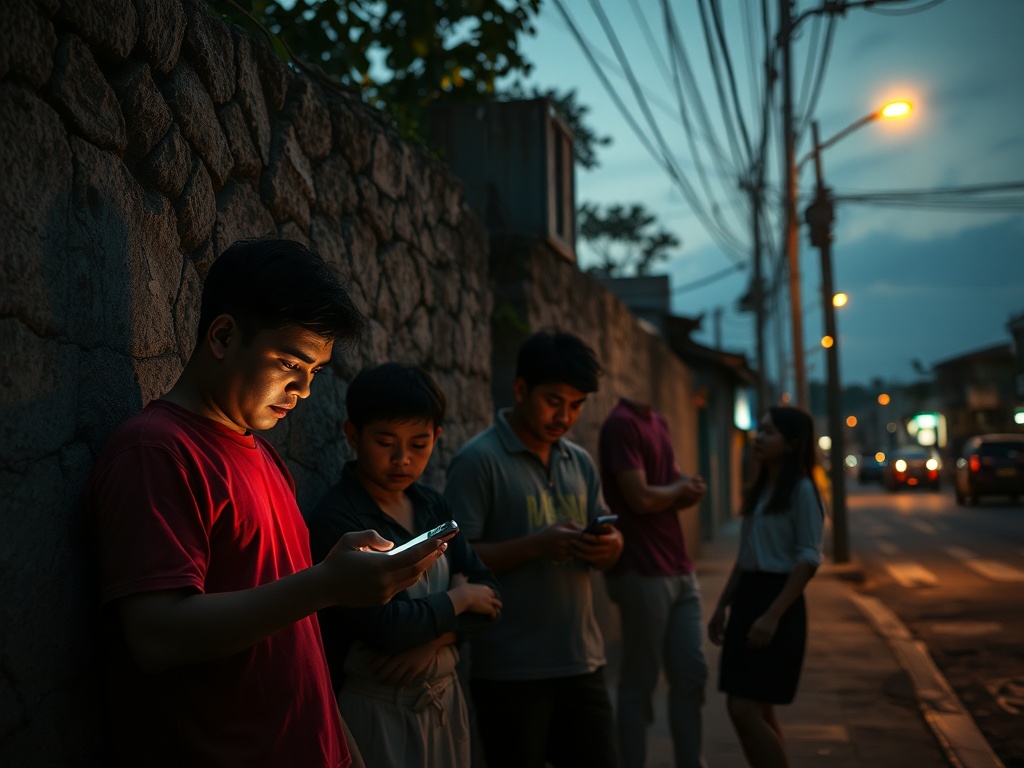
The story gives me heebeejeebees
In the digital spaces where Maldivians gather to share and debate, a peculiar unease often surfaces. It’s not always about grand politics or economics; sometimes, it’s the subtle shiver that runs through a community when a story just doesn’t sit right. One voice simply admits, 'The story gives me heebeejeebees'—a raw, relatable expression of discomfort that many feel but few articulate so plainly. This isn’t just about fear; it’s about the instinctive recoil from narratives that feel off, distorted, or dangerously ambiguous.
That sense of disquiet is amplified by the fragmented, almost chaotic nature of the conversation. Another participant asks, 'wait, Oiyttey has another name?'—a question that hints at hidden layers, obscured identities, or perhaps deliberate obfuscation. In a society where trust is fragile and information flows unpredictably, such moments of confusion can deepen public skepticism. They remind us that what we see on the surface is rarely the whole truth, and that the stories we tell ourselves might be built on shifting sand.
Meanwhile, a more pointed exchange draws parallels to historical figures, asking whether past labels like 'terrorist' applied to Mandela might justify similar framing today. The question 'Do you think Osama bin Laden was a hero?' isn’t just rhetorical—it’s a provocation that forces readers to confront the moral ambiguities of resistance, violence, and legacy. In the Maldives, where political allegiances can be fiercely divided, such comparisons resonate deeply. They tap into broader anxieties about how movements and leaders are remembered, and how easily heroism can be twisted into villainy depending on who tells the tale.
Together, these voices paint a picture of a community grappling with narrative uncertainty. The heebie-jeebies, the hidden names, the loaded historical analogies—all point to a shared desire for clarity in a murky information landscape. For Maldivians navigating rapid social change and polarized discourse, this collective unease is more than just passing discomfort; it’s a barometer of deeper societal tensions, where the stories we consume shape the realities we inhabit.