The Tax-Free Sea Breeze
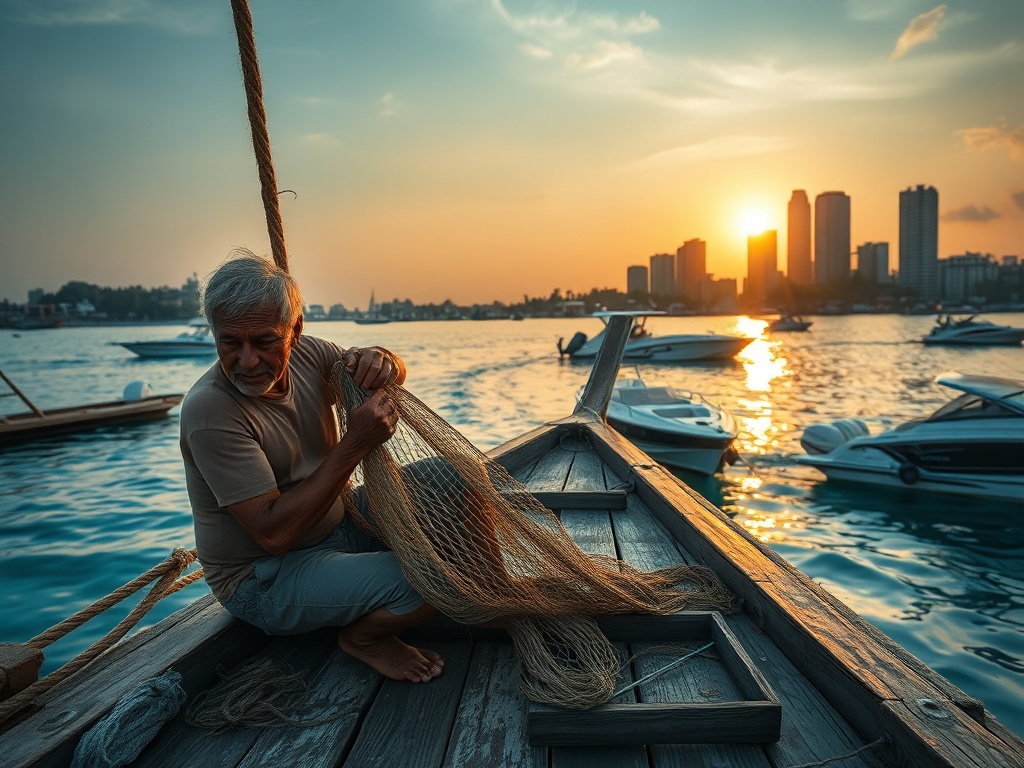
The afternoon sun glints off the Indian Ocean, casting diamond patterns on the water between the speedboats and dhonis. In a small café overlooking the Malé harbor, a conversation drifts about taxes and economies of distant nations. Here in Maldives, we live in this peculiar space—a country with no personal income tax, yet surrounded by the same economic pressures that plague other developing nations.
Our tourism industry brings in the foreign currency that keeps our economy afloat. Every day, planes descend toward Velana International Airport carrying visitors who will spend in dollars and euros at our luxury resorts. That revenue flows through our system, funding the schools, healthcare, and infrastructure we all depend on. Yet walking through the narrow streets of Malé, you'd never guess we're a tax-free nation. The same economic anxieties exist here—rising costs, housing shortages, the constant balancing act between opportunity and survival.
There's a certain irony when we compare ourselves to other tax-free destinations. Our guests arrive from countries with complex tax systems, seeking refuge in our simple economic model. Meanwhile, we Maldivians navigate our own complexities: the gap between resort wealth and local wages, the imported inflation that makes basic groceries expensive, the remittances that flow out as easily as tourism dollars flow in.
The power of money manifests differently here. It's in the fisherman who doesn't file tax returns but worries about fuel prices. It's in the young graduate who finds work in tourism without income tax deductions but struggles with Malé's rent. It's in the small business owner who benefits from tax-free operations but competes with imported goods. Our economic freedom comes with its own responsibilities—to ensure that the wealth generated by our blue economy actually reaches our people, that our tax-free status doesn't become an excuse for inadequate public services.
As the call to prayer echoes across the island, I'm reminded that economic systems are ultimately about people. Whether a nation taxes its citizens or not, the fundamental question remains the same: are people's lives improving? Are children getting educated? Are families healthy and housed? The answers to these questions matter more than any tax policy.
— Source fragments: Saudi, Dubai, Bahrain, Kuwait, Maldives, Caribbean. These are countries that are 100x better than Nigeria but do not have a personal income tax law