The Teenager's Screenshot That Became Museum Material
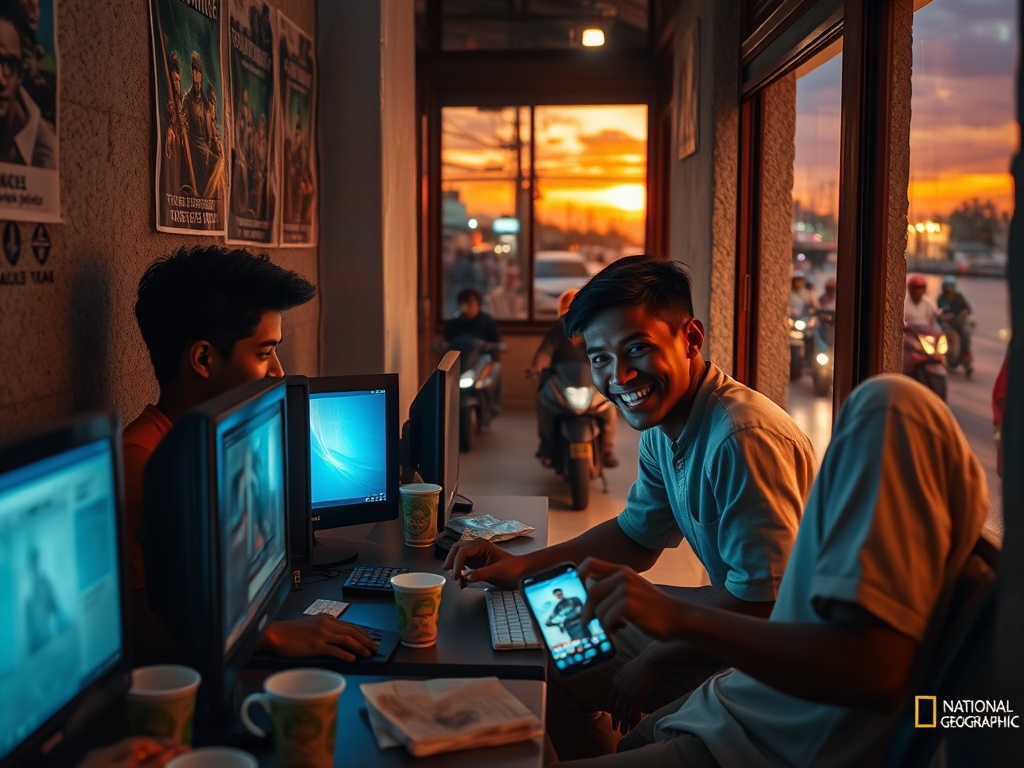
The exchange starts with nothing serious at all. "He deleted give me your solution then." "Is this a real picture or an imaginary one.." A teenager's grainy screenshot, a dog-eared joke, a plea to "take as many pictures as you can. one day can display in local museum." Beneath the surface laughter, however, the Maldivian digital space simmers with contradiction. Politicians debate on foreign soil while their citizens navigate an economy spiraling due to poor fiscal management and heavy reliance on imports. Meanwhile, youth turn to cryptocurrency speculations and digital gaming, seeking escape and perhaps purpose in pixelated worlds rather than failing systems. A user admits to grinding video game missions for "vote for raziel anni skin," their comment capturing perfectly the dissonance between务虚 and reality. The political commentary, when it seeps through, is bitter—"Find a politically savvy husband 2. Be aloof"—a sarcastic take on how survival often demands navigating impossible systems. "Is this true?" another asks, but the question lands hollow. The laughter that follows, "I still* laugh," carries decades of exhaustion. Here in the Maldives, even our jokes are refracted through struggle. The image in question—a blind comparison鲫"ss from a MBS report"—raises questions about media transparency and the manipulation of truth. The user who shares it isn't documenting reality anymore; they're participating in a meta-narrative where screenshots of reports become their own kind of data, stripped of context but heavy with implication. Amidst these fragments, a practical concern surfaces: "Going back cuz my bro gotta be at school in an hour." Education remains a lifeline, albeit an uncertain one in a country struggling to equip its future. The digital gathering, "At amigos. Thebo 2 canos. Hinga if you up for it," might seem trivial, yet it's precisely here, in these moments of connection, that the resistance grows. These young Maldivians aren't just killing time; they're community-building through shared digital spaces, mapping out an alternative geography where true belonging isn't threatened by over-tourism or political exclusion. They understand the stakes: when a 22-year-old sees more opportunity in virtual worlds than their physical one, when humor becomes their only protest, and when family ties to foreign lands become survival strategies, the future isn't just unwritten—it's being rewritten in code, in comments, in the quiet certainty that someday, they'll gather "Thebo 2 canos" for real, not as escape, but as reclaiming.
— Source fragments: Fragmented digital conversation about gaming, computer screenshots, media authenticity, social gatherings, youth aspirations, political commentary, economic struggles, family obligations, and community-building through shared digital experiences