The Term 'Goathi' That Makes Young Maldivians Ask: What Was That?
In the digital age where conversations move at the speed of social media feeds, a quiet cultural crisis unfolds across the Maldivian archipelago. The term 'goathi' surfaces occasionally in online discussions, met with a collective uncertainty that reveals deeper generational divides. "I think I'm too dumb to take part in this goathi debate," one voice admits, capturing the sentiment of many who feel disconnected from traditions they never fully learned.
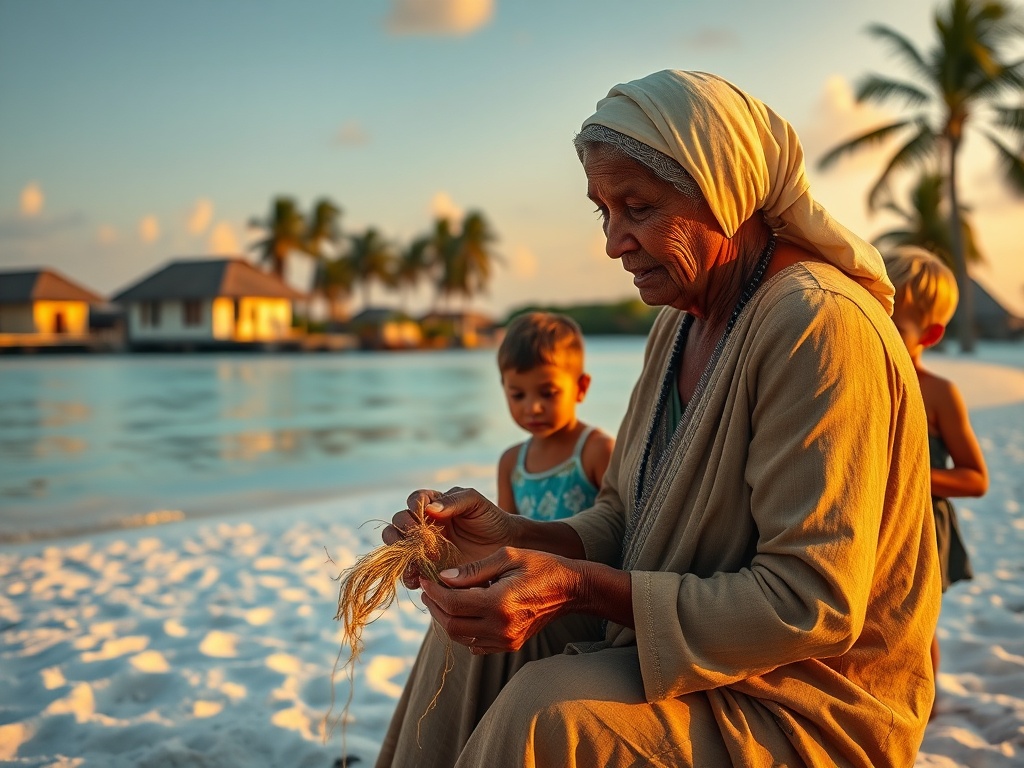
This isn't merely about forgetting a word or ritual—it's about the gradual erosion of cultural transmission. When elders pass without sharing their knowledge, when modernization prioritizes global trends over local customs, the threads that bind communities to their heritage begin to fray. The question isn't just "what is goathi?" but "what happens when we no longer know what we've lost?"
Across Malé's congested neighborhoods and scattered island communities, similar patterns emerge. Younger generations navigate a complex identity landscape—caught between traditional expectations and contemporary realities. The uncertainty surrounding goathi reflects a broader phenomenon: cultural practices that once served as social glue now exist as fragmented memories, practiced inconsistently if at all.
Some attribute this erosion to rapid urbanization and the pressures of modern life. When families struggle with the high cost of living and youth face unemployment, preserving cultural rituals can feel like a luxury. Yet these same challenges make cultural anchors more necessary than ever—providing continuity in times of economic uncertainty and social transformation.
The debate around goathi becomes symbolic of larger questions about Maldivian identity in the 21st century. How do we honor tradition while embracing progress? What responsibilities do we have to preserve practices that risk disappearing within a generation? The answers may lie not in perfect recollection, but in the willingness to ask the questions—to acknowledge what we don't know and begin rebuilding those connections.
As one observer noted, the variations in understanding—"a lot of people have their own version"—suggest that adaptation and evolution are inherent to cultural survival. Perhaps the true measure of cultural vitality isn't perfect preservation, but ongoing engagement. Even incomplete participation keeps traditions alive in some form, creating bridges between generations that might otherwise grow distant.
In a nation where external influences constantly reshape social landscapes, maintaining cultural continuity requires intentional effort. The conversation about goathi, however uncertain, represents a starting point—an acknowledgment that some things are worth remembering, even if we must rediscover them together.
— Source fragments: I will be honest, I think I am too dumb to take part in this goathi debate. But what is it? Seems a lot of people have their own version. and where is it practiced presently? If not, why not?