The Thread That Binds Us: Reflections on Dhivehin Identity
The blue of the ocean never changes, but the voices that travel across it do. They come in fragments—debates about ad hominem arguments, assertions of ancient statehood, concerns about zombified youth disconnected from their roots. In the spaces between these digital exchanges, something more profound emerges: the quiet, persistent question of what it means to be Dhivehin.
Some speak of 2200 years of uninterrupted sovereignty, of being one people when others were many nations bound together by colonial lines. There's pride in this continuity, in knowing that while empires rose and fell across the water, these islands remained, bound by something deeper than politics. The debate isn't just about history—it's about the soul of a people who have navigated both monsoons and modernity.
Yet beneath these assertions lies a subtle anxiety. The fear that younger generations, educated in different systems, might forget the subtle threads that weave this identity together. The worry that in a world of global influences, the distinctive patterns of being Maldivian might fade like an old thundu kunaa left in the sun.
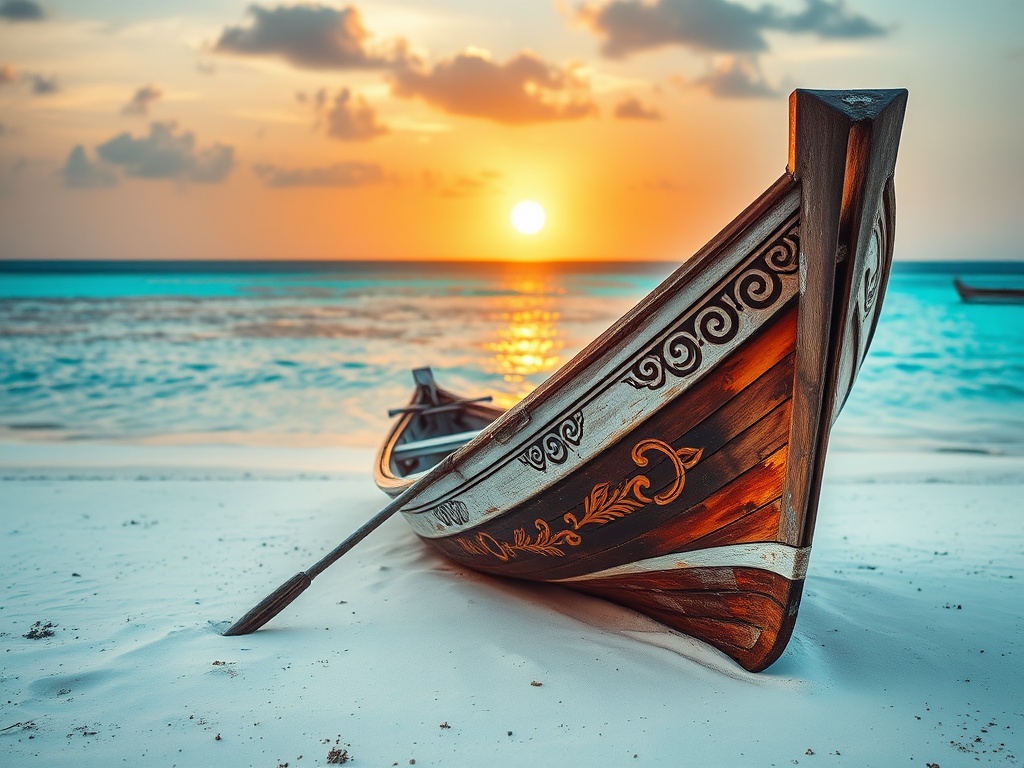
But identity, like the coral reefs that built these islands, grows in layers. It's in the shared memory of fishing boats returning at dawn, in the taste of fresh mas huni after morning prayers, in the particular way monsoon winds feel on your skin. It's in the resilience that comes from living on scattered islands in a vast ocean, where community wasn't just preference but necessity.
Perhaps the strength of being Dhivehin has never been about purity or isolation, but about adaptation—taking what comes across the water and making it uniquely our own. From the Arabic script adapted to write our language to the modern technologies that now connect our farthest islands.
The real challenge isn't proving our antiquity to others, but nurturing the living connections that make this identity meaningful across generations. It's in the conversations between elders who remember when travel between islands took days and youth who can video call relatives across the atolls. Both are expressions of the same fundamental truth: we are people of these waters, and that reality shapes us in ways both obvious and subtle.
In the end, the question isn't whether we're older or younger than other nations, but how we carry forward what it means to be Dhivehin in a changing world—honoring the past without being trapped by it, embracing the future without losing ourselves in it.
— Source fragments: "my point is we are unlike indians in this respect. we are one group. one nation. its dhivehin always. we later created our nation state. but even much long before we were dhivehin." "replying to these new kids fresh out from school who think we are Indians; I feel Gaumiyyathu ministry's role should be bigger. These kids are truly zombified." "We were indigenous people just like aborigines."