The Two Wells: A Nation's Choice Between Memory and Forgetting
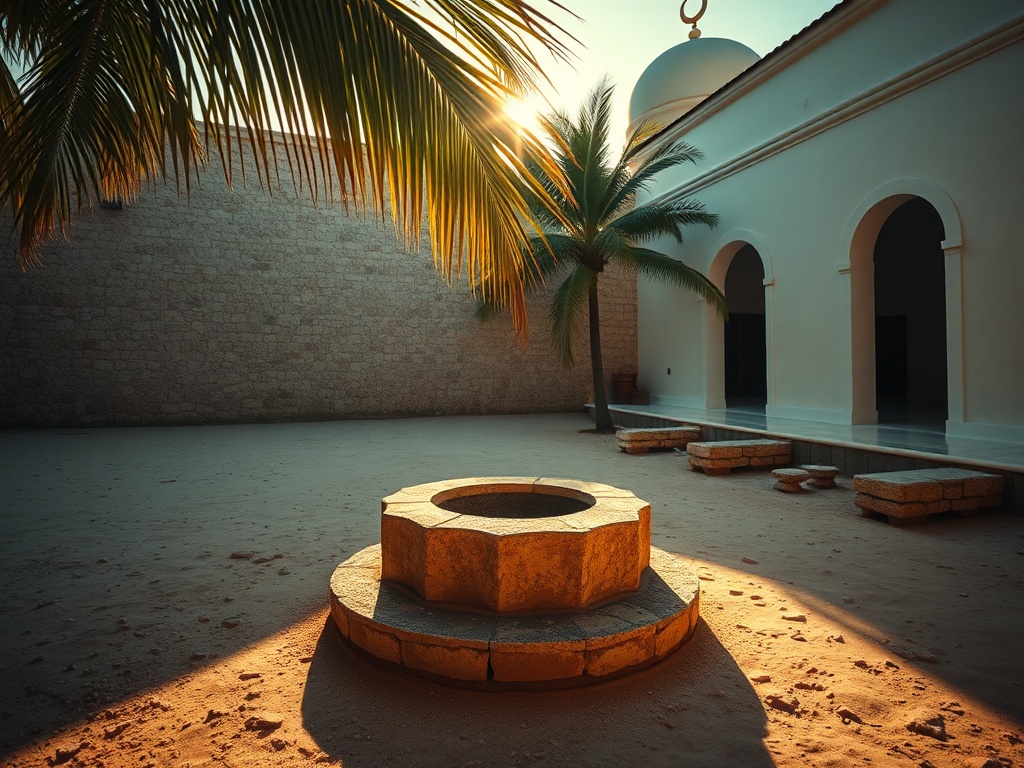
An old well stands silent in the mosque courtyard, its stones worn smooth by generations of hands. Nearby, the remains of another lie half-buried. These physical remnants dot the Maldivian landscape, testifying to histories both remembered and forgotten.
A quiet conversation unfolds across the islands about how we engage with history. The debate isn't about monuments alone, but about memory itself. Some question whether revisiting historical brutality serves any purpose beyond perpetuating trauma. "Why make future generations live through those horrors?" they ask, suggesting some histories are better left unexamined.
Yet others carry personal memories with painful clarity. "The difference between most Maldivians and me is that I remember," one voice insists. "Every detail." This tension between collective amnesia and individual remembrance defines our relationship with the past.
Memory surfaces unexpectedly—in a former detainee's song heard years ago, in ideological shifts that puzzle observers, in landmarks surviving modernization's march. The well used for ablution today stands beside archaeological remains of its predecessor, creating tangible links between past and present.
In a nation experiencing rapid transformation, these memory fragments become anchors. They raise urgent questions: What do we owe to history? Is forgetting healing or dangerous erasure? How do personal memories shape collective identity?
The wells, both active and archaeological, symbolize this duality—the functional present coexisting with historical traces. As development accelerates, these markers grow more precious. They remind us that history lives in the songs we remember, the stories we tell, the stones we touch daily. The question remains whether we will listen to what these fragments teach, or whether they too will fall silent.
— Source fragments: Memory of historical details, questioning purpose of revisiting historical brutality, personal remembrance versus collective forgetting, well used for ablution alongside archaeological remains, memory of detainee's song, curiosity about ideological shifts