The Two Worlds We Built
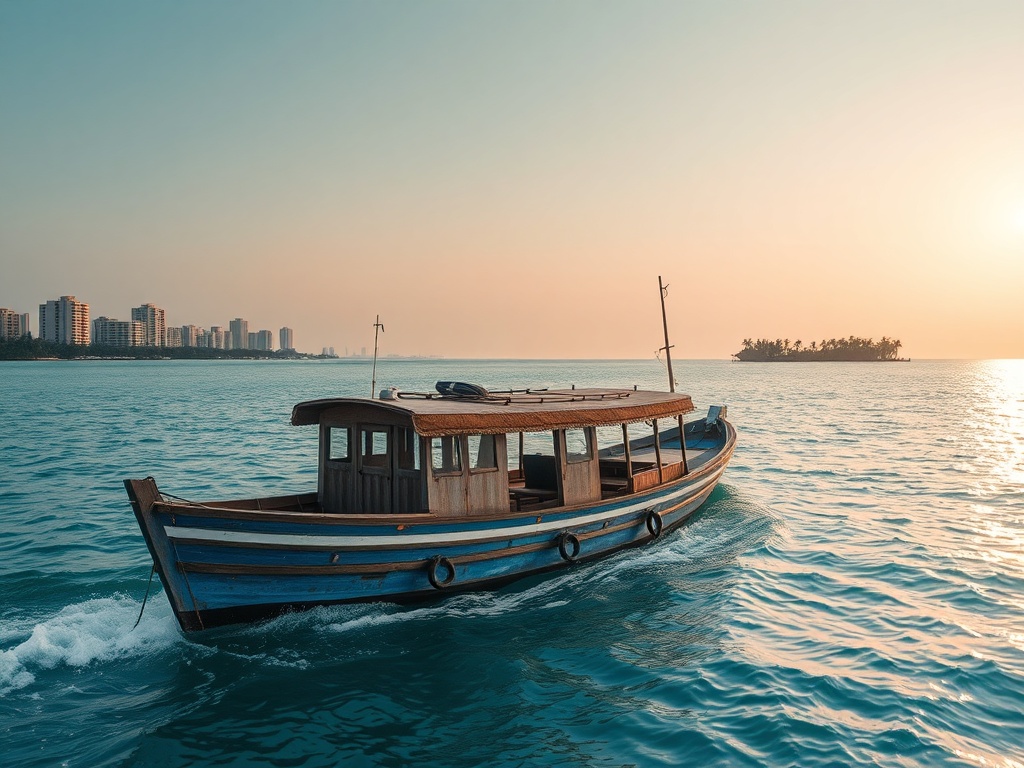
Sometimes I stand on the ferry between Malé and one of the resort islands, watching the water change from the busy turquoise of the harbor to the pristine blue of the atolls. On one side, our world: dense, familiar, where the call to prayer marks time and neighbors know your family name. On the other, the world we built for visitors—islands where different rules apply, where the economy flourishes behind carefully maintained borders.
We don't envy their freedom to drink or wear swimwear; that was never our aspiration. The separation is practical, a choice made generations ago to preserve what matters while surviving in a challenging world. What weighs heavier is the knowledge that this delicate balance is shifting. Guesthouses brought tourists into our communities, blurring lines that once felt permanent. The money flows differently now, reaching more hands but watering down the exclusivity that once defined Maldivian luxury.
Yet we adapt, as we always have. Young people navigate both worlds with ease—conservative in values, relaxed in manner, genuine on social media without performing either modernity or tradition. The real tension isn't between local and tourist lifestyles, but between making a living and preserving sovereignty, between economic necessity and cultural continuity. We're building bridges between these two realities, finding our way forward without losing ourselves in the crossing.
— Source fragments: Tourism operates on leased resort islands with no local population, legally and socially separated from local island life, Young Maldivians are generally relaxed in personal conduct but operate within a broadly conservative society