The Unplanned City We Call Home
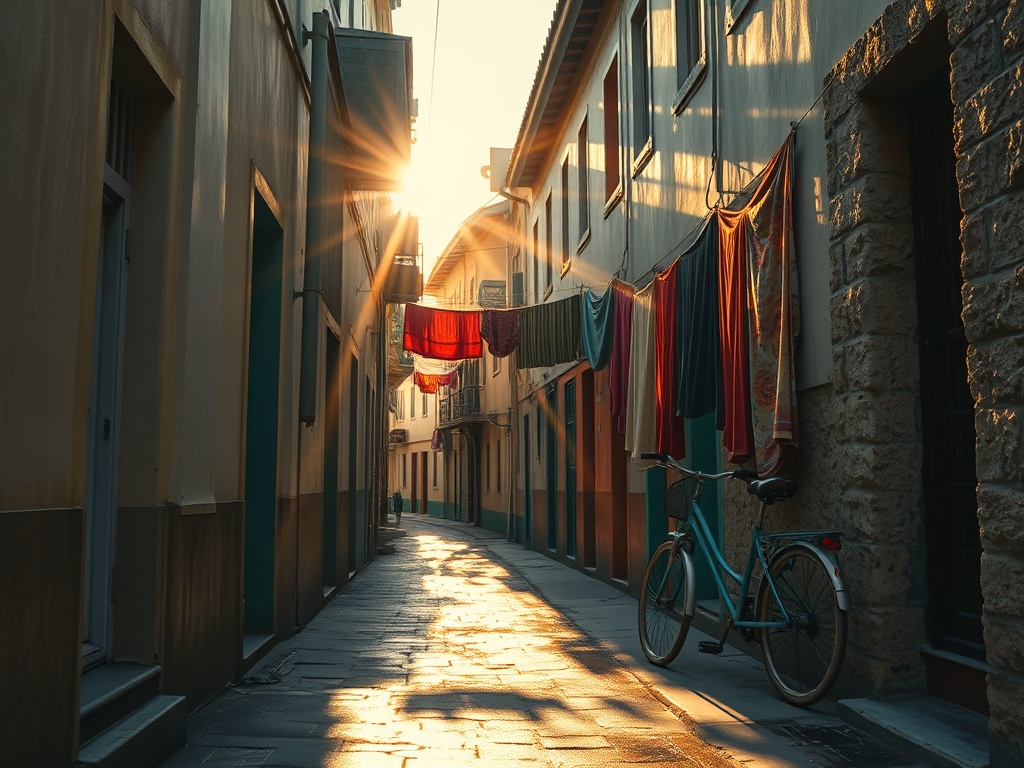
The observation that 'Malé was never a planned development' hangs in the humid air with a truth that every Maldivian understands in their bones. We walk these narrow streets not as residents of a designed city, but as inhabitants of an island that simply grew, organically and stubbornly, like the coral that forms our archipelago's foundation. There's a certain poetry to this unplanned existence—the way buildings lean toward each other across alleyways barely wide enough for two people to pass, the way laundry lines create a canopy of colorful fabric between homes, the way the scent of mas huni from one kitchen mingles with the sea breeze from another.
This organic growth means we've built our lives in the spaces between. Children play football in whatever open patch of concrete they can find, their shouts echoing off walls that weren't meant to contain such energy. Families gather on doorsteps that open directly onto public pathways, their evening conversations becoming part of the neighborhood's soundscape. There's no separation here between private and public life—we live in each other's peripheral vision, our stories intertwined by proximity.
The lack of planning means we've had to become planners ourselves, creating systems of mutual understanding and unspoken rules. We know which neighbor will watch whose child, which shopkeeper will extend credit until payday, which corner provides the best mobile signal. These are the invisible structures that hold our city together—more resilient than any urban design because they're built from human connection rather than concrete and steel.
Yet in this unplanned chaos, there's beauty. The way afternoon light filters through the gaps between buildings, creating patterns on the ground that change with the sun's movement. The sudden glimpses of ocean between structures, reminding us that despite the density, we're still island people. The way rain transforms the city, washing the dust from leaves in the few potted plants that brave the concrete, turning puddles into mirrors that reflect our shared sky.
Perhaps this is the Maldivian way—to build not according to blueprint, but according to need and relationship. Our city may lack planning, but it overflows with life, with the messy, beautiful reality of people learning to live together in limited space. The challenge isn't to remake Malé into something it never was, but to honor what it has become while gently guiding its future growth.
— Source fragments: "Male' was never a planned development" - this is nothing new for the Maldives. Thousands of cities around the world started the same way, growing organically rather than being designed from scratch
— Tone: wistful