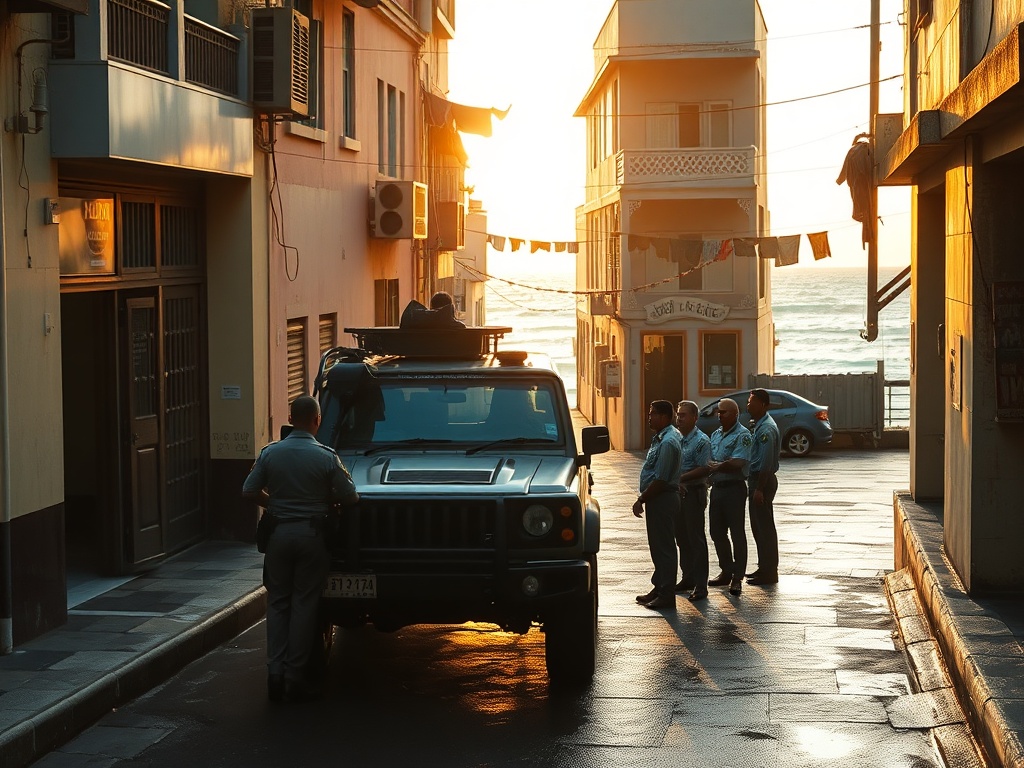
The Unraveling Thread: When Trust Frays in Island Life
The afternoon sun glares off the white walls of Malé, casting sharp shadows across narrow streets. In a city where everyone knows someone who knows someone, the recent daylight robbery at BML feels different—not just because of the stolen cash, but because of what it reveals about the fraying threads of trust that hold our island society together.
When security becomes something we notice—when armored vans and police escorts draw more attention than reassurance—something fundamental has shifted. The comment about "something fishy" when large amounts move with police protection echoes in the humid air. It's not just about the money; it's about the stories we tell ourselves about safety and who protects whom.
Across the water in Hulhumalé, new electricity towers rise against the skyline, symbols of progress that somehow feel distant from the daily anxieties about crime and protection. The police, meant to be our guardians, now face scrutiny in every public conversation. When citizens unanimously agree that phones shouldn't be confiscated over social media posts, it speaks to a deeper concern about the boundaries of authority and personal freedom.
There's a particular Maldivian irony in discussing security while sitting in outdoor cafés where the sea breeze carries both the scent of salt and whispered worries. The contrast between our natural paradise and these man-made insecurities creates a cognitive dissonance that's hard to reconcile. We watch the steady rhythm of the waves and wonder why our institutions can't find that same reliable cadence.
The conversation about cutting down age-old trees within school premises reveals another layer of this anxiety. Those trees provided more than shade; they were living witnesses to generations of students, their roots mirroring the deep connections that once bound communities. The natural air circulation they facilitated has been replaced by artificial systems, much like how organic community trust has been supplanted by formal security measures that somehow feel less secure.
In this archipelago nation, where distances are measured in boat rides and connections in family ties, the erosion of institutional trust feels particularly personal. It's not abstract bureaucracy failing—it's the cousin who works there, the neighbor's son who joined the force, the local shop that relies on tourist confidence. Every security lapse, every questionable police action, every whispered rumor about corruption doesn't just damage reputations; it weakens the invisible bonds that allow 500,000 people scattered across 187 islands to function as one nation.
The real robbery isn't just what happens in daylight with armored trucks—it's the slow, steady theft of the fundamental belief that those in charge will do right by those they serve. And in a nation built on interdependence, that's the theft that truly costs us.
— Source fragments: BML transfers cash during daylight with security, police confiscating phones based on social media posts, daylight robbery incidents, inadequate security measures at critical locations, police service failing to take effective action, citizens left unprotected